
The complete guide
How to Choose a Wheeled Cooler Box That Actually Suits Your Trips
The problem with a good cooler
Here is the thing nobody mentions when they buy their first serious cooler. A big insulated box is brilliant right up until it is full. Then it becomes a 20 kilo lump with two side handles, and getting it from the boot to the campsite turns into a shuffle with your arms straight and your back complaining.
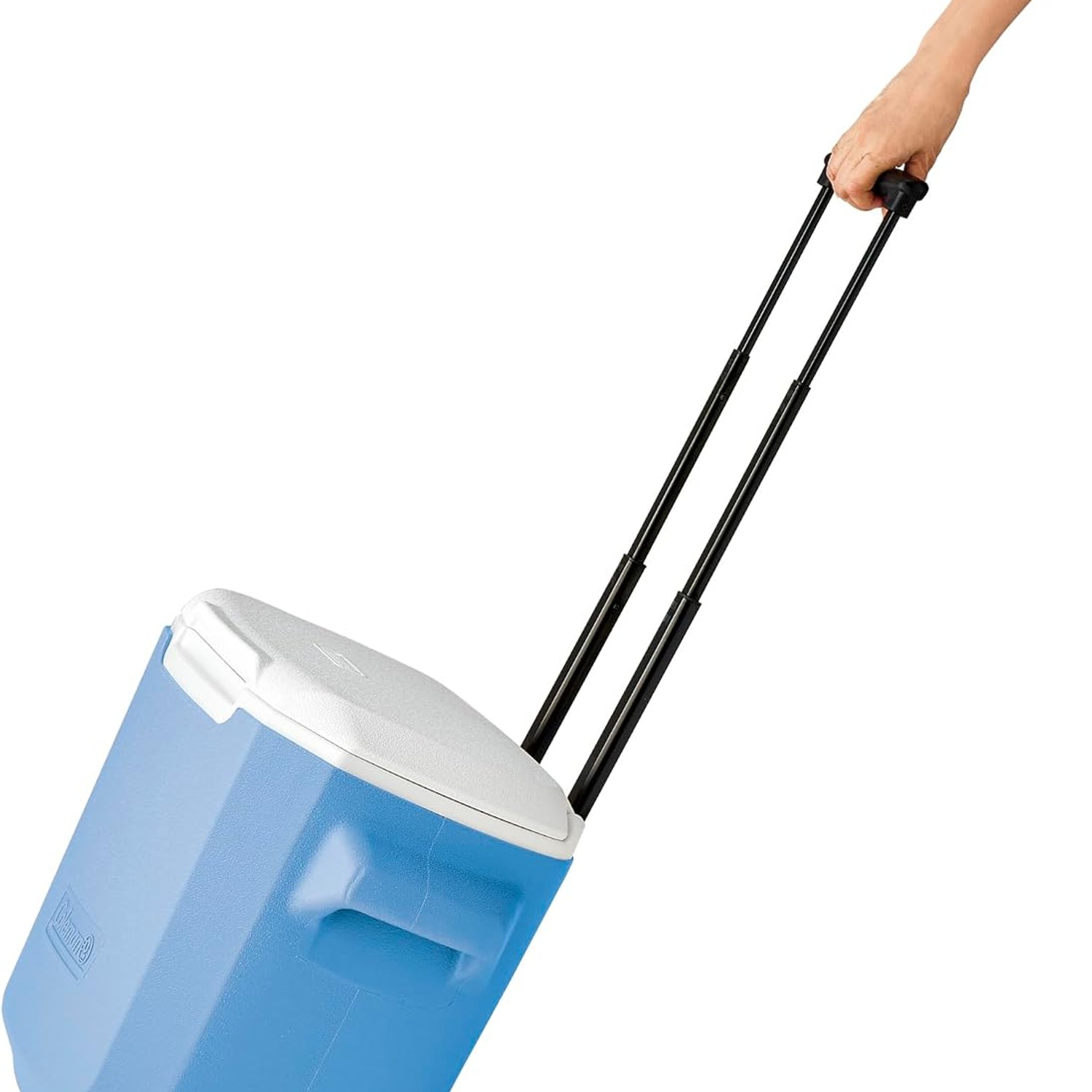
That is the gap a wheeled cooler fills. The insulation job and the transport job are two different problems, and most hard coolers only solve the first one. Put wheels and a pull handle on the box and suddenly the walk from the car park is a non-event. You tow it like a suitcase. One hand. No crouching.
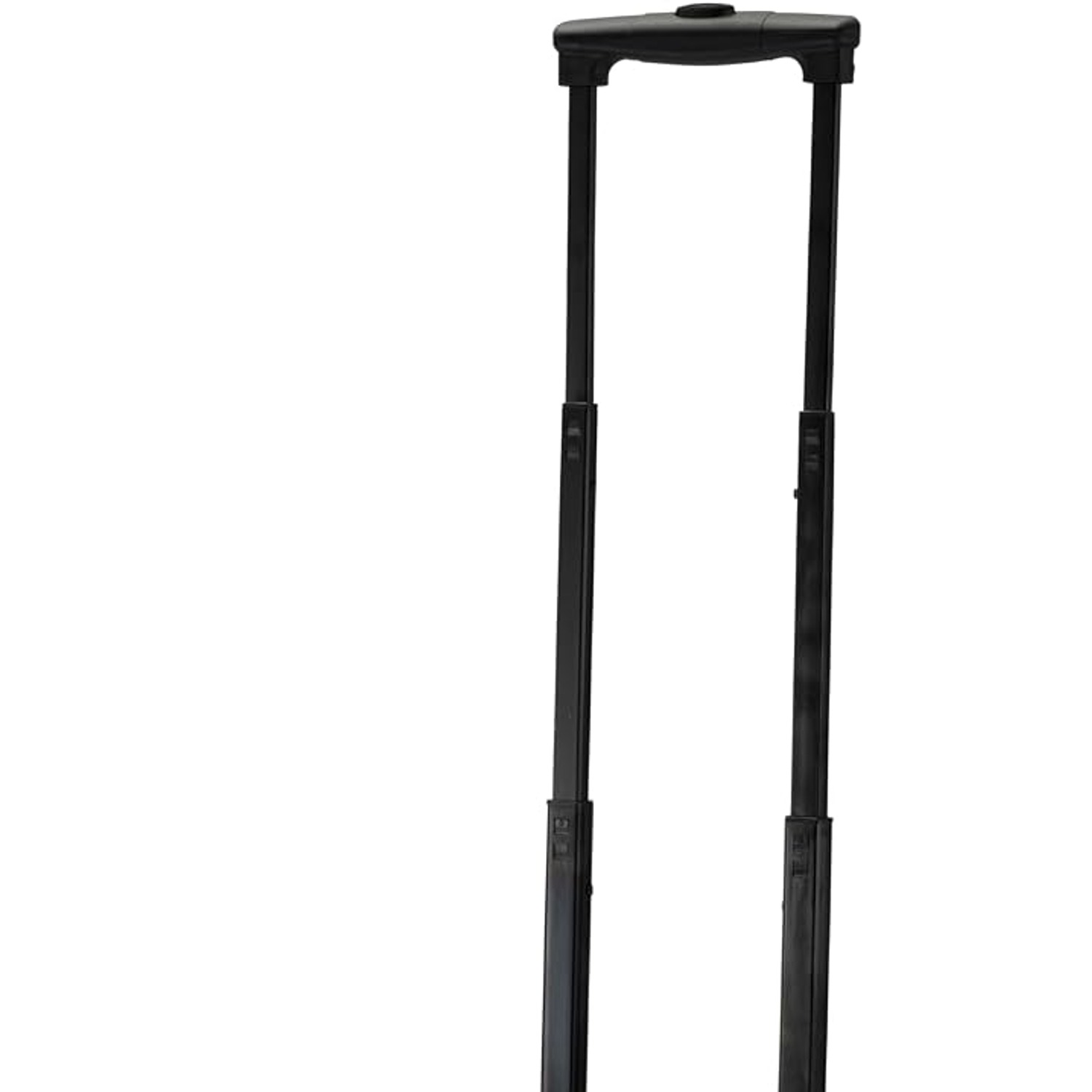
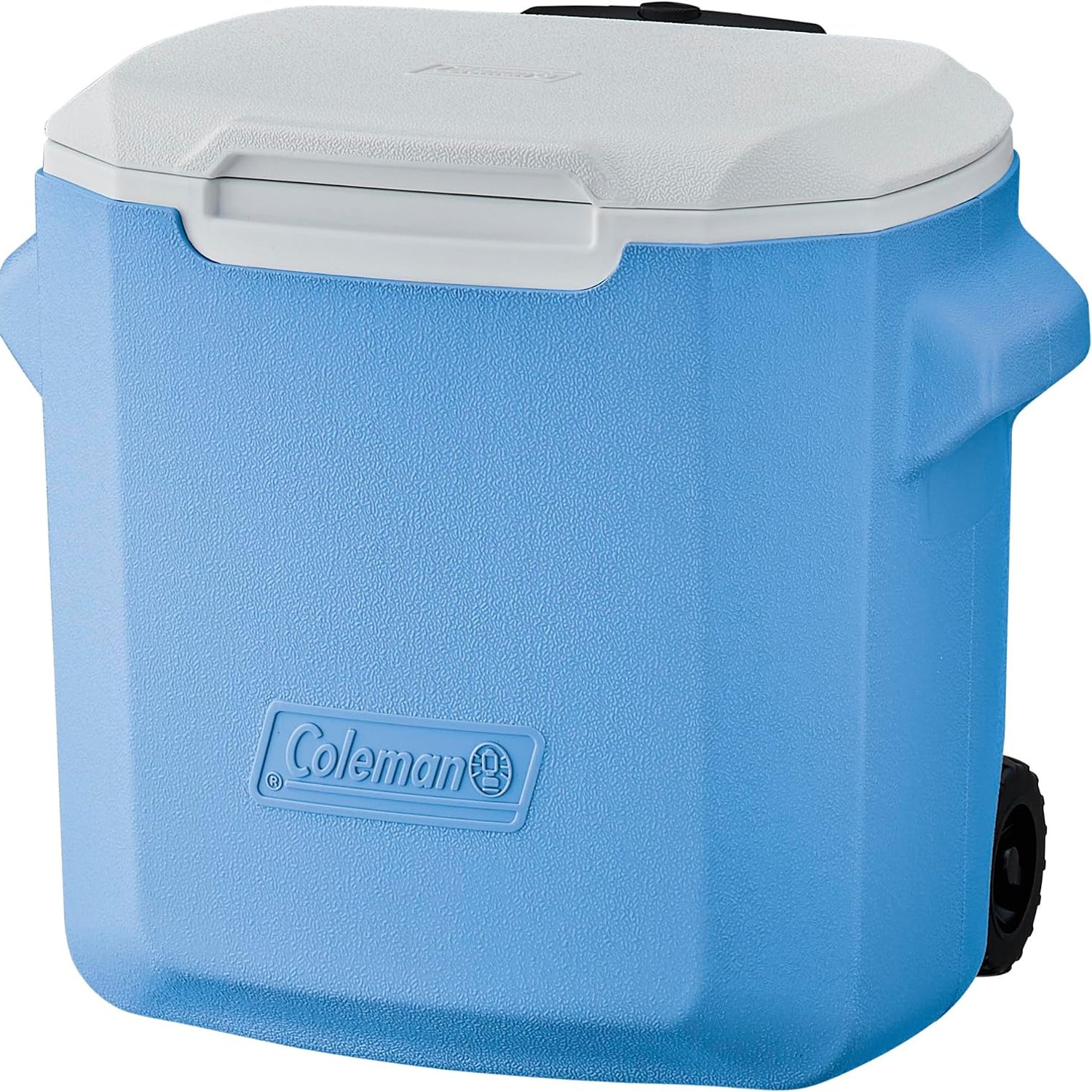
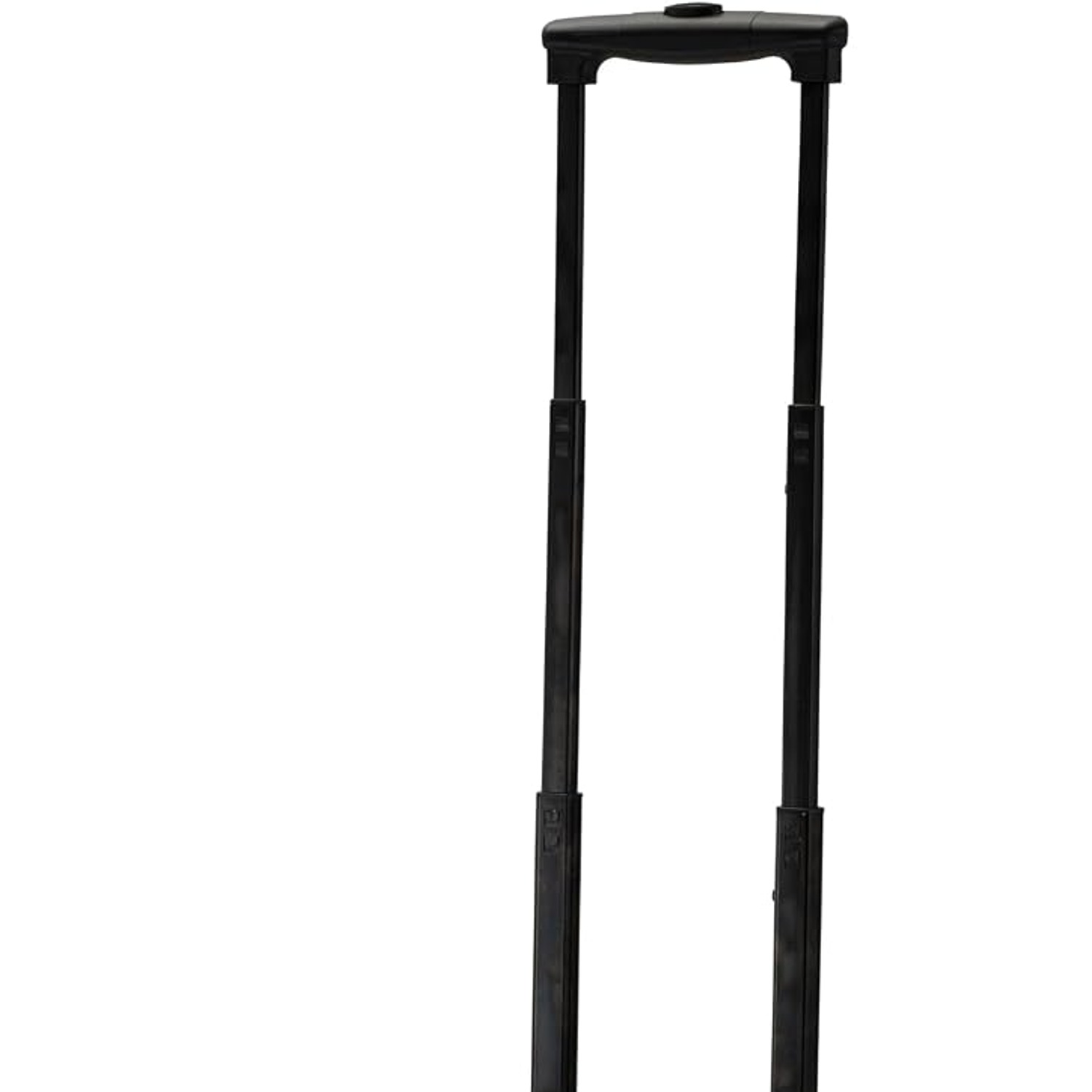
This Coleman is a 26 litre hard-sided cooler built around that idea. The shell is polyethylene with alloy steel and polyurethane components, the insulation is polyethylene, and Coleman lists cold retention at around two days when it is used properly. The handle telescopes down flat so it does not eat up boot space when you are packing the car.
How cooler insulation actually works
A cooler is not a fridge. There is no motor, no refrigerant, no power. All it does is slow down heat moving from the warm outside to the cold inside. Everything you do with a cooler is about slowing that transfer.
Three things drive how long your ice lasts. The first is insulation quality and thickness, which is fixed by the design. The second is how much cold mass you put in, which is your ice. The third is how often warm air gets in, which is how often you open the lid.
That last one surprises people. Every time the lid comes up, the cold air falls out and warm air pours in. A cooler that gets opened six times an hour at a party will not come close to the same performance as one opened twice a day on a camping trip. This is why experienced campers run two boxes, a drinks cooler that gets opened constantly and a food cooler that stays shut.
Air space matters too. A half-empty cooler is mostly warm air, and that air has to be re-chilled every time you open it. Filling the gaps with extra ice, frozen bottles or even crumpled newspaper makes a real difference.
What 26 litres gets you
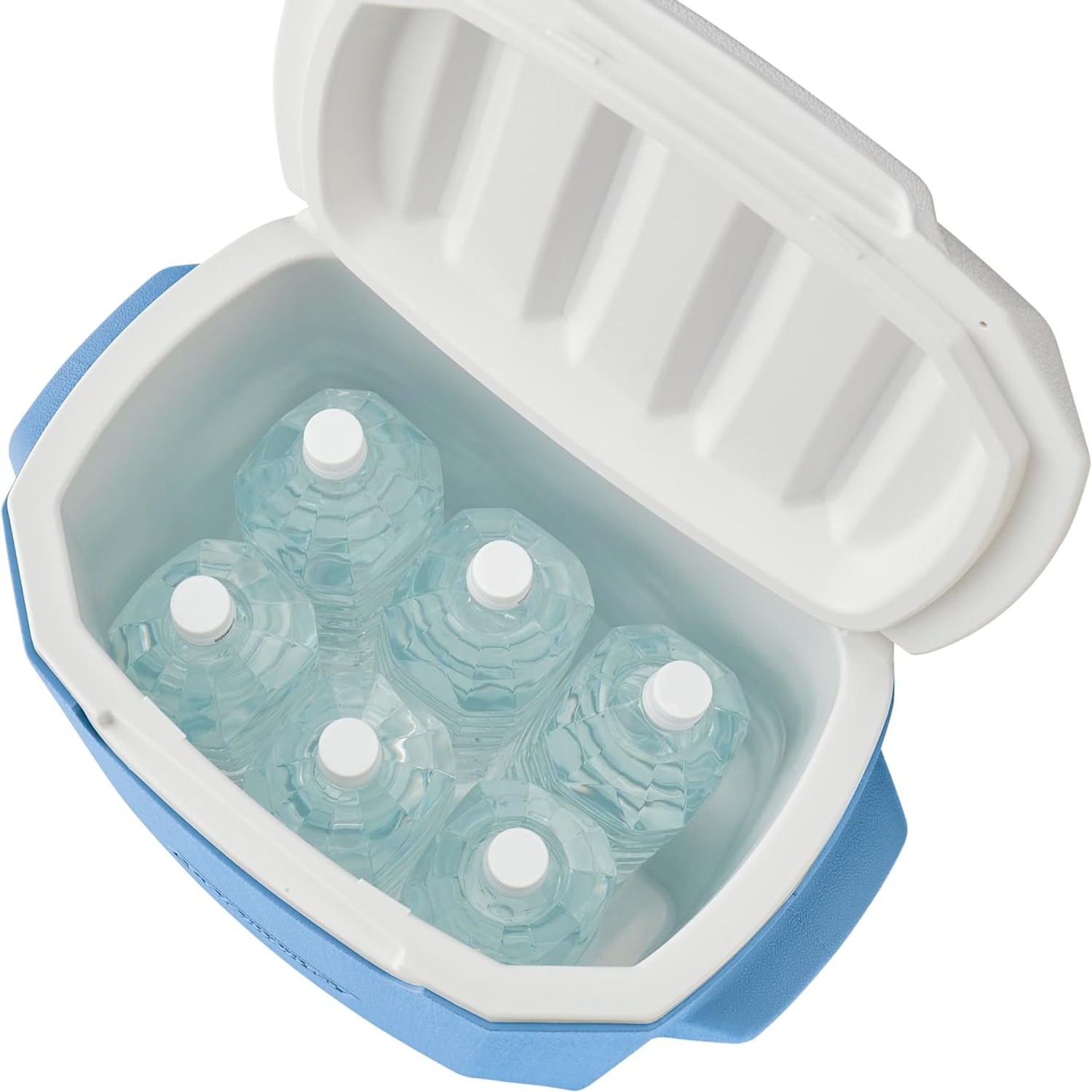
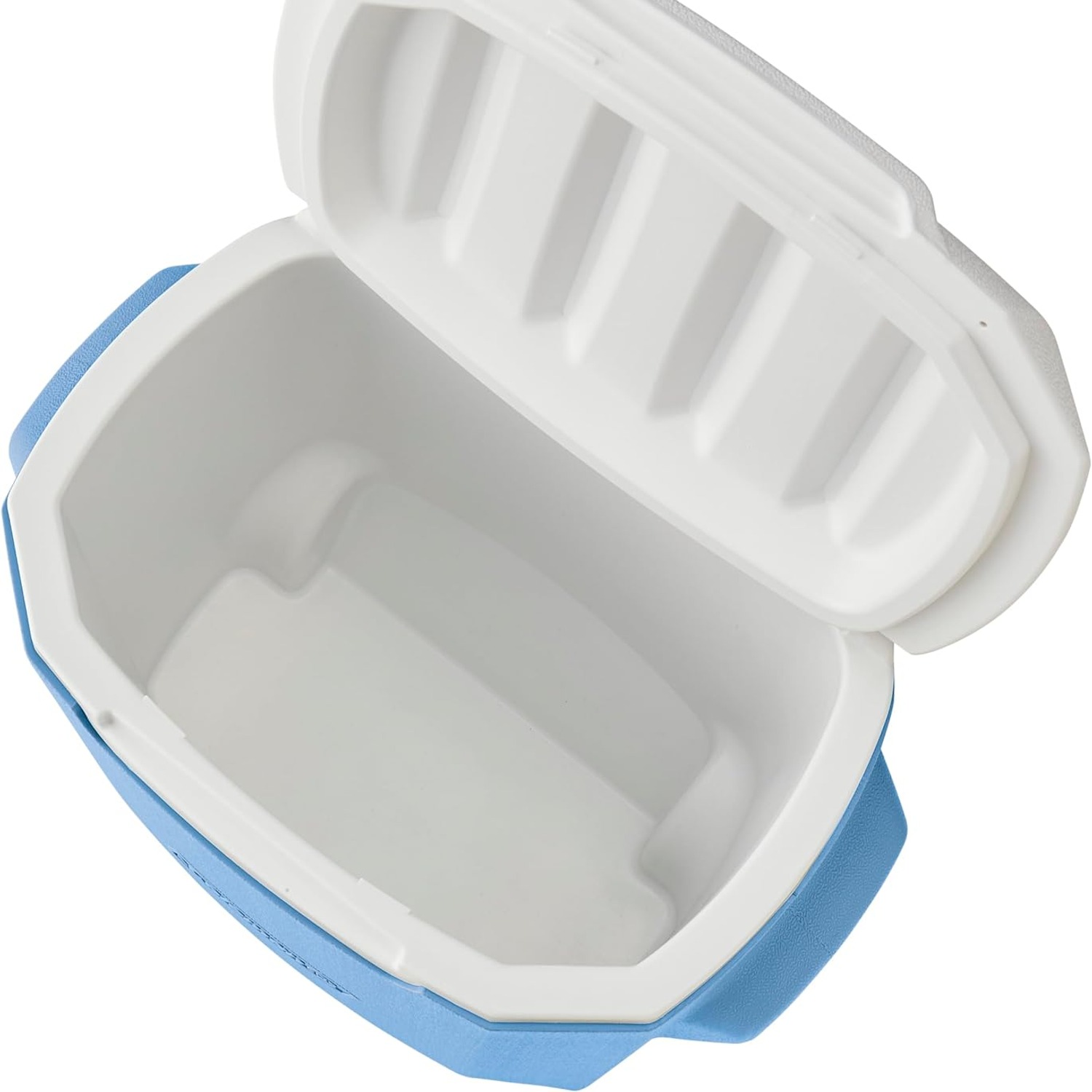
Capacity figures mean more when you translate them. Coleman notes this box holds six 2 litre plastic bottles standing upright, which is possible because the chamber depth is 14 inches. That upright packing is the efficient way to use the space, since bottles lying flat waste the room above them.
Outer dimensions are 42 cm deep, 34 cm wide and 42 cm high. That is a footprint most car boots handle easily with the handle retracted.
For a family day at the beach or a sports carnival, 26 litres is a sensible size. Drinks for four or five people, a few sandwiches and some fruit, with ice packed around it all. For a weekend camping trip with a group, treat it as your drinks and dairy box and bring a second cooler for the main food. That split is the single best thing you can do for ice life, because the food box barely gets opened.
Where 26 litres is not enough is a long trip with a big group and no shops nearby. If that is your pattern, you want a larger box or two of these.
Who this suits
Think about the walk. If your typical outing involves a car park, a path and then a spot, wheels are worth real money to you. Campsites with gravel tracks, sports grounds with a long walk from the car, caravan parks, boat ramps, festival grounds. All good cases for the best wheeled esky you can get your hands on.
Wheels matter less if you drive right up to your spot and lift the cooler two metres onto a table. In that case you are paying for a feature you will not use much, though the handle still helps when you are dragging it across a garage floor.
Soft sand and long grass are the honest limitation. Wheels of any kind struggle there. You will still appreciate them on the hard-surface part of the journey, which is usually most of it.
How to choose between coolers
Start with internal height, not litres. If your drinks are 2 litre bottles, you need a chamber deep enough to stand them up. A wide, shallow cooler with the same listed capacity will frustrate you every time you pack it.
Next, think about how many days you need. One-day outings are easy and almost any cooler copes. Two days means you need real insulation and good packing discipline. Anything longer and you are either buying a premium rotomoulded box or planning an ice top-up along the way.
Then consider the shell. Hard-sided coolers hold their shape under a stack of camping gear, resist knocks in a boot, and keep sand and dirt out. Soft coolers fold away small and are lighter to carry, but they will not take weight on top and their insulation is usually thinner. For a family camping box, hard wins.
Finally, be realistic about weight. Thicker insulation means a heavier empty box. Wheels offset that, which is exactly why the combination of a hard shell and wheels is such a popular pick for the best family cooler box.
Packing it properly
Pre-chill if you can. Put a sacrificial bag of ice in the cooler the night before and dump it in the morning before you load. A cold box starts the day far ahead of a warm one sitting in a hot garage.
Use a mix of ice. Blocks at the bottom melt slowly and give you a cold reservoir. Cubes packed around the contents chill things quickly and fill the air gaps. Frozen water bottles do both jobs and give you drinking water later.
Load in the order you will use things. Items you reach for every ten minutes go on top. Anything you need at dinner time goes at the bottom, where it stays coldest and does not get disturbed.
Coleman specifically advises putting contents into a bag or container before placing them inside. Do it. Melt water collects at the bottom of every cooler, and food sitting directly in it turns into a mess. Sealed containers and zip bags keep everything dry and make unpacking quick.
Keep the drain plug in mind. Some people drain melt water, but cold water is still cold, and draining it means re-chilling fresh air. Unless things are swimming, leaving the water in often extends ice life.
Care and storage
Cleaning is simple and takes five minutes. Empty the cooler, wipe the inside with warm water and mild detergent, rinse, then leave the lid open until it is fully dry. Moisture trapped under a closed lid is where smells come from.
Avoid bleach, solvents and rough scouring pads on the plastic. If something has gone off inside, a wipe with diluted white vinegar followed by a rinse usually sorts it.
Give the wheels and the handle a rinse after beach trips. Salt and sand grind away at moving parts faster than anything else. A quick hose-down and a dry before storage adds years.
Store it somewhere dry and shaded with the lid propped slightly open. Long-term sun exposure is the main thing that ages a plastic cooler, so a shed or garage beats a sunny deck.
The short version
You are getting a 26 litre hard-sided Coleman cooler with wheels and a telescoping handle, built from polyethylene with alloy steel and polyurethane components, in the Daydream colour. It stands six 2 litre bottles upright, measures 42 by 34 by 42 cm, and Coleman lists cold retention at around two days with proper use.
It suits camping, picnics, beach days, sports carnivals and club events, basically anywhere there is a walk between the car and the spot. Pre-chill it, pack it full, bag your food, and keep the lid shut. Do those four things and you will get a lot more out of it than the box alone can promise.