
The complete guide
How to Choose a Lightweight Travel Sleeping Bag
The problem this solves
There is a gap in most people's travel kit. On one side you have a proper insulated sleeping bag, warm and bulky and completely overkill for a hostel bunk in August. On the other you have nothing at all, which means trusting whatever bedding is handed to you at midnight in a place you have never been.
A lightweight travel sleeping bag sits in the middle. It is a soft layer of your own, light enough to forget about, that turns any flat surface into something you are happy to lie on. Hostel dorm, mountain hut, overnight train, a mate's sofa after a wedding, a tent on a mild night. Same bag, different night.
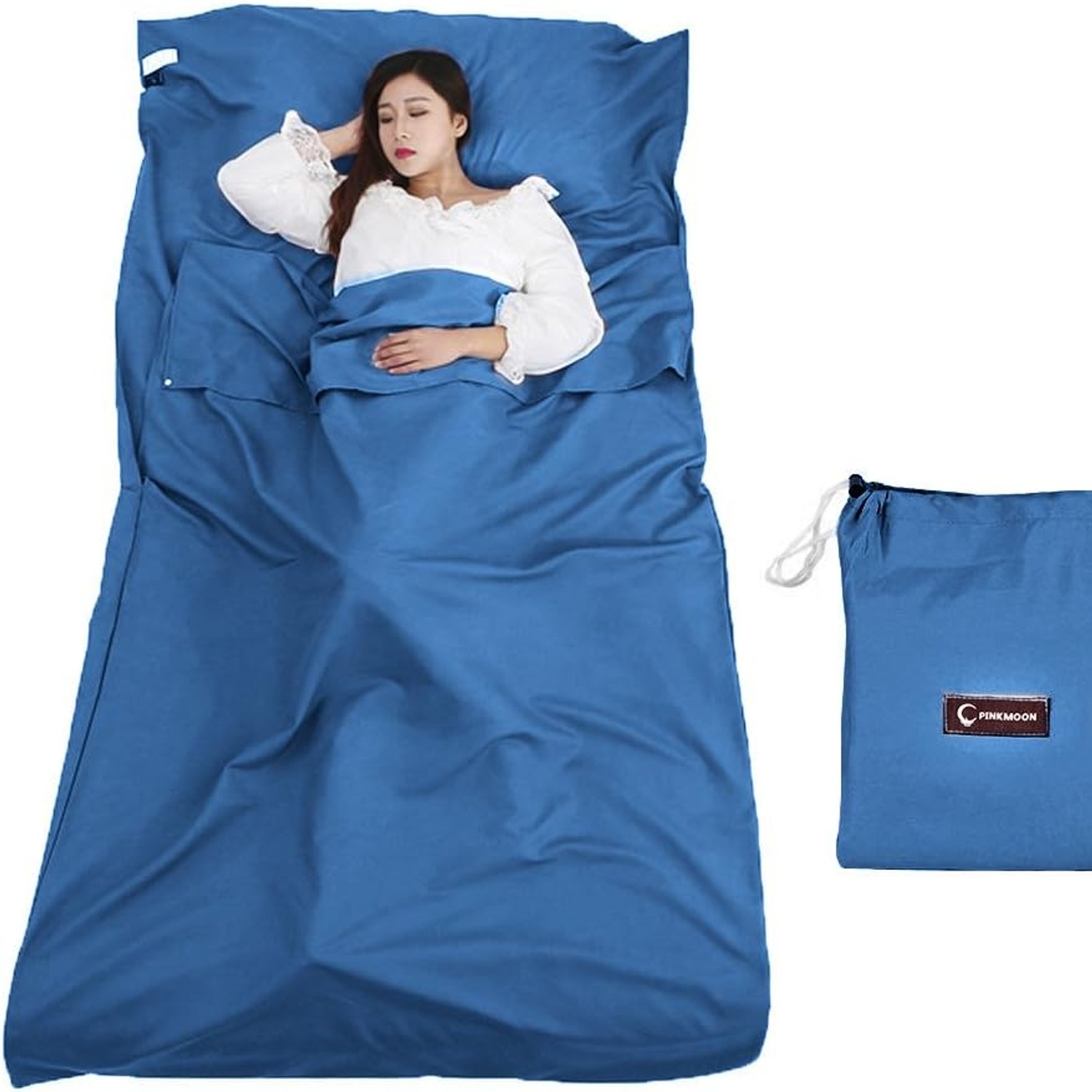
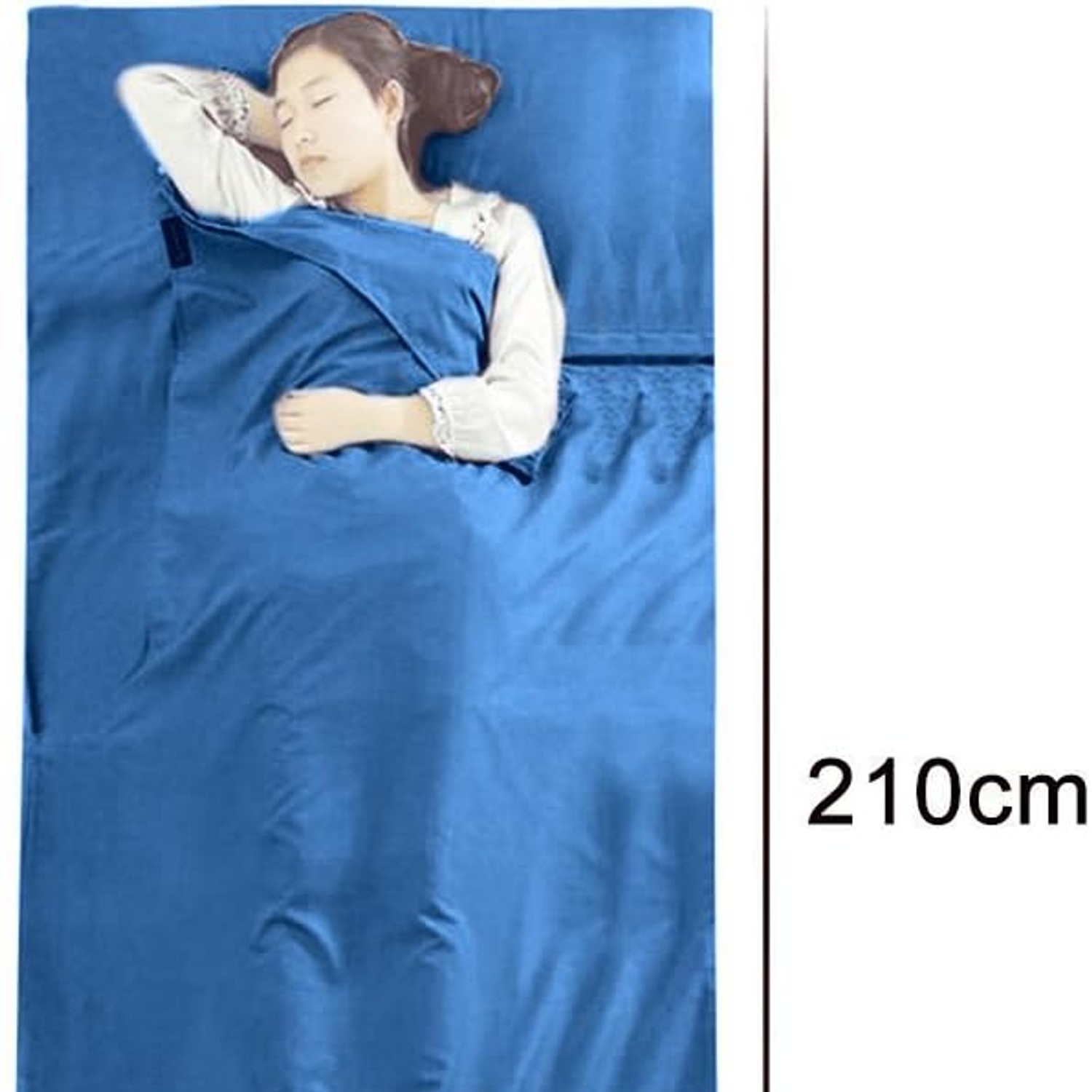
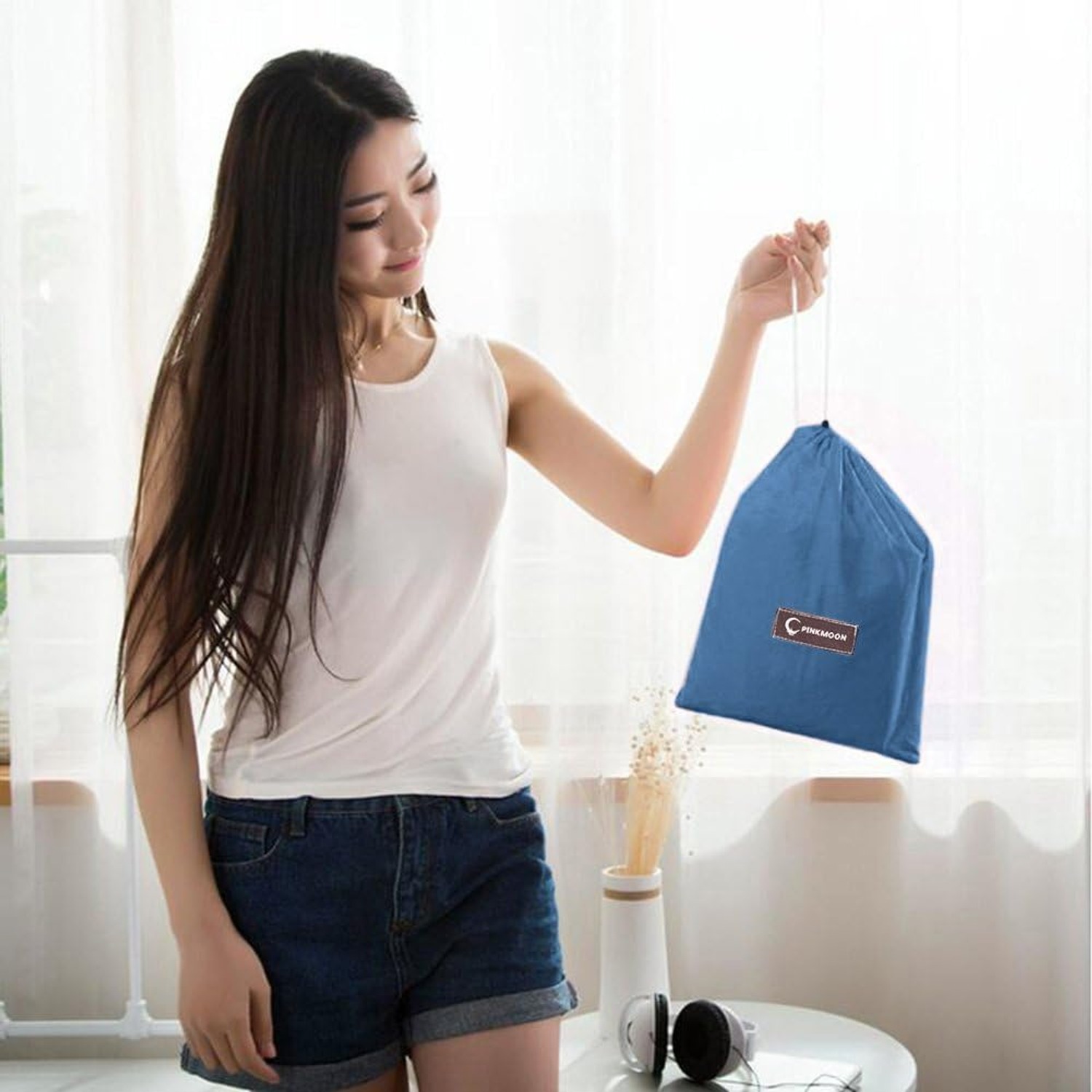
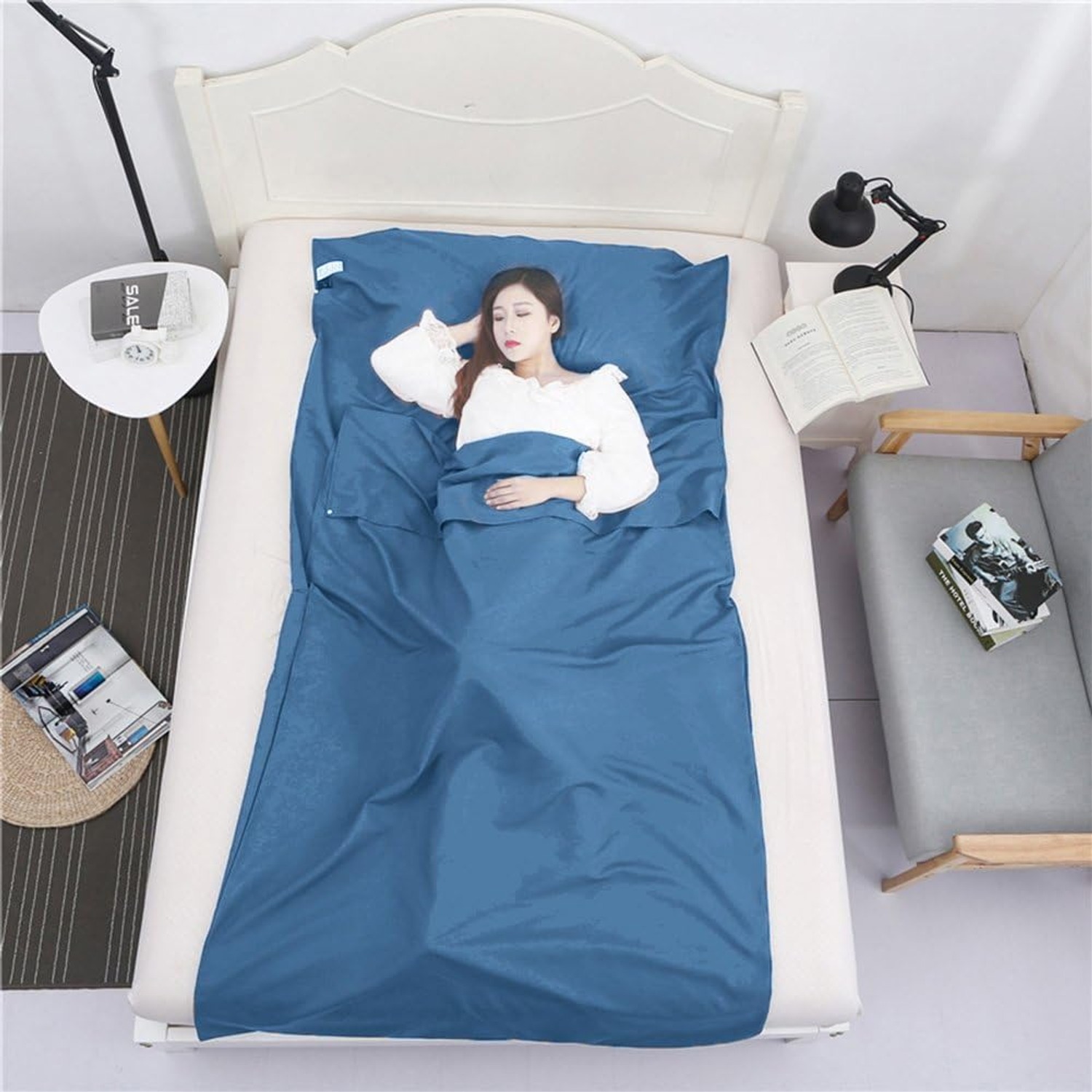
This one is made from microfibre, opens out to 210 cm x 115 cm, weighs 500 g, and rolls back into its own carry bag. That is the whole pitch, and for a lot of trips it is exactly the right amount of gear.
How it works
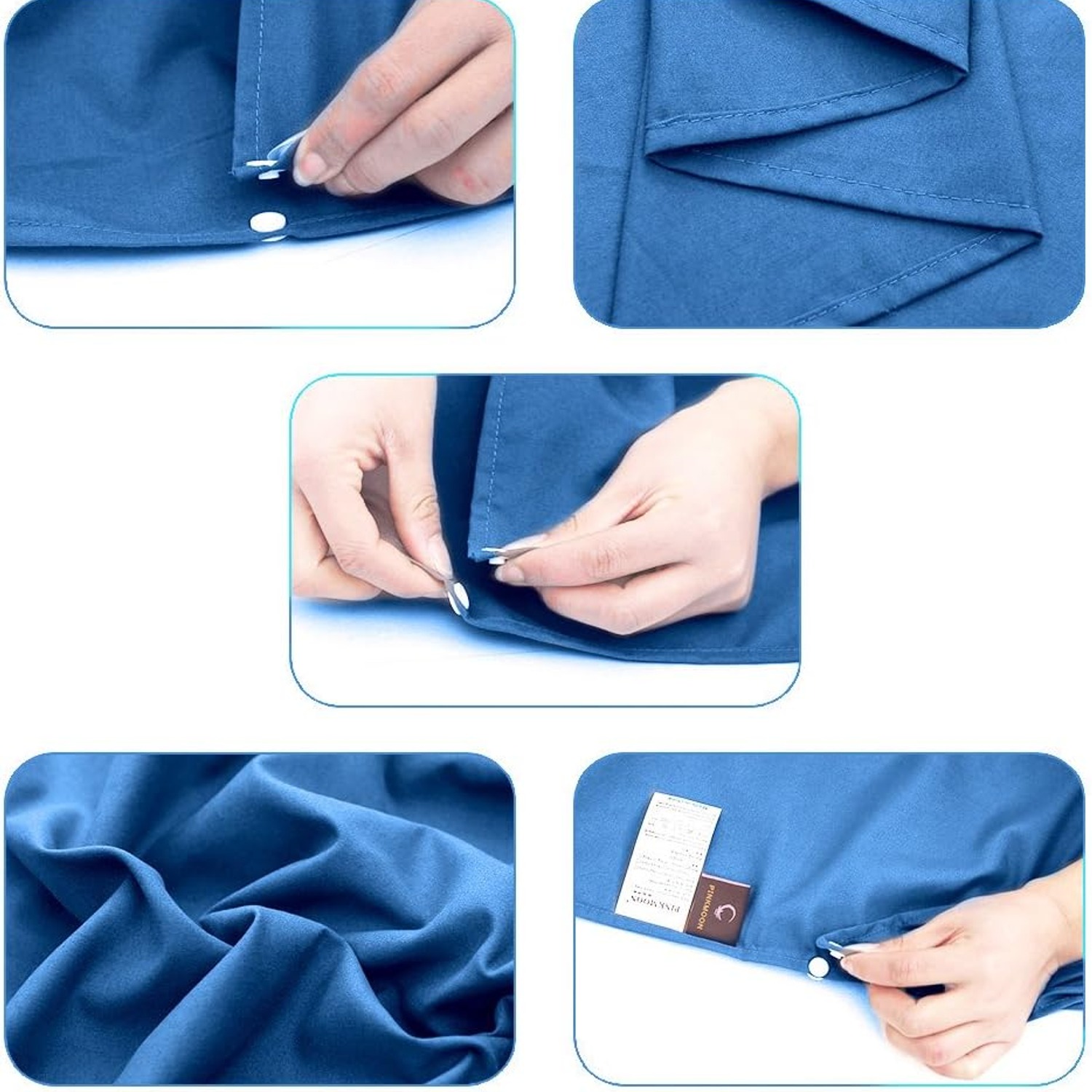
Microfibre is a very fine synthetic fabric. Because the fibres are thin, you get a soft hand feel and a thin profile without the weight of cotton or the bulk of fleece. It also dries fast, which matters when you are washing things in a sink and hoping they are ready by morning.
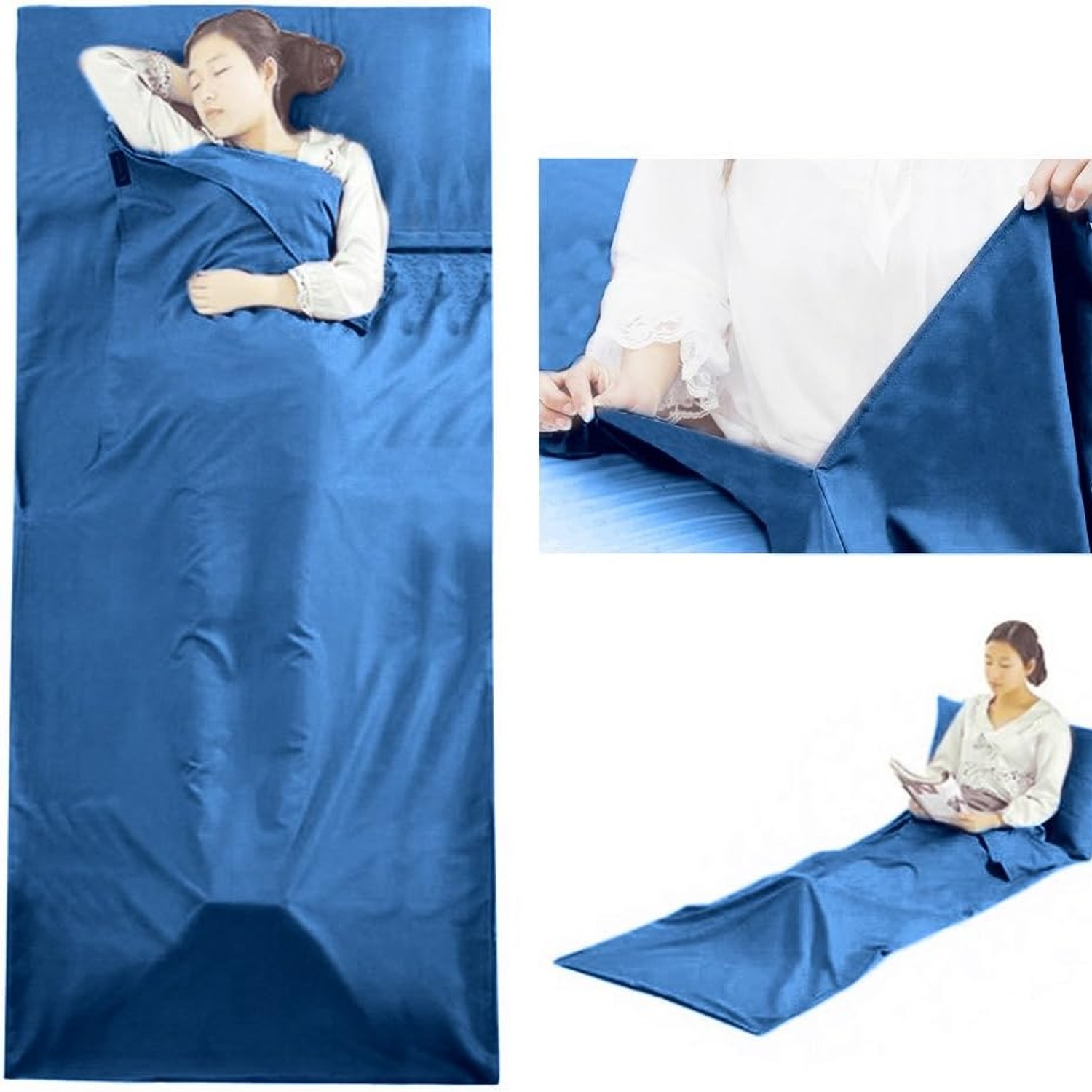
The construction here is simple on purpose. A rectangular panel, a full-length zipper down one side, and a button design to help hold the closure where you want it. Zip it all the way and you have an enclosed bag. Unzip it and it lies flat, so the same item works as a blanket over your legs on a long bus ride.
What it does not do is insulate heavily. There is no thick loft, no down, no baffled chambers. Fill material is listed as polyester and the shell as microfibre, and the overall feel is closer to a zipped sheet than to a winter bag. Understanding that before you buy is the difference between being delighted and being disappointed.
Who it suits
Backpackers and hostel travellers. This is the core audience. Lots of hostels in Europe and Southeast Asia either charge for linen or expect you to bring your own. Carrying a 500 g bag solves that for an entire trip.
Warm-weather campers. If you are pitching a tent in summer, a heavy bag is a sweaty mistake. A lightweight sleeping bag gives you the cover you want without the heat you do not.
Anyone who stays in guest rooms a lot. Visiting family, working away, crashing after events. Having your own bedding in a bag is quietly civilising.
Liner users. If you already own a good insulated bag, this slides inside it. You get a softer surface against your skin, a bit of extra warmth, and a washable layer that keeps the inside of the expensive bag cleaner for longer.
Festival goers and road trippers. Low stakes, short nights, limited space. A packable sleeping bag is the right tool.
Who it does not suit is just as important. If you are heading somewhere genuinely cold, alpine camping, shoulder-season trekking at altitude, winter anywhere, you need a bag rated for those temperatures. This is not that bag. And if you are over 180 cm tall, the listed maximum height recommendation means you will find it short.
How to choose
Start with the nights you actually plan to sleep in it. Not the trip you might take one day. The trips on your calendar this year. If most of those nights are indoors or in mild weather, a thin travel bag is the better buy, and you will carry it more often than a bulky one.
Then think about weight and pack space. Five hundred grams sounds abstract until you are standing at an airline check-in desk or walking the last two kilometres uphill to a hut. Gear you resent carrying stays at home. Gear you barely notice comes with you, and gear that comes with you is the gear that earns its price.
Look at shape next. Rectangular bags like this one give you room to roll over, bend a knee, stick a foot out. Mummy bags are warmer because they hug you, but they can feel restrictive if you move a lot in your sleep. For mild-weather use, where warmth is not the main job, rectangular usually wins on comfort.
Check the length against your height. Listed here as suitable up to 180 cm. A bag that is too short means either cold shoulders or cold feet, and no amount of good fabric fixes that.
Finally, consider the fabric against your skin. Microfibre is smooth and quiet, which matters in shared rooms. Cotton liners feel more natural to some people but are heavier and much slower to dry. Silk is lighter still but costs more and needs careful handling. For a general-purpose travel bedding layer, microfibre hits a sensible balance.
Getting the most out of it
Pack it last and put it somewhere accessible. There is no point having a travel sleeping bag buried under three days of clothes when you arrive at a dorm at eleven at night.
Roll rather than stuff. Fold it lengthways first so it matches the width of the carry bag, then roll firmly from one end. Rolling keeps the fabric flatter over time and makes the bag easier to get back into its sack, which is the part everyone complains about with cheaper bags.
Air it out when you can. Even a thin bag picks up moisture overnight. Hanging it over a chair for an hour before packing keeps it fresh for longer between washes.
If you are using it as a liner inside a bigger bag, get in and out a couple of times at home first. Liners can twist around you if you do not get the orientation right, and it is better to work that out on your bedroom floor than at two in the morning in a hut.
Care that keeps it going
Wash it on a gentle cycle in cool or warm water with similar colours and a mild detergent. Leave out the fabric softener. It coats synthetic fibres and takes away the smooth feel that makes microfibre pleasant in the first place. Bleach is also off the list.
Low heat in the dryer is fine, and microfibre dries quickly either way. Line drying works well and is kinder to the fabric over a long life.
The one rule that catches people out is storage. Do not leave it compressed in its carry bag for months at a time, and never pack it away damp. Store it loose in a cupboard between trips and let the fibres sit open. It will smell better and feel better when you pull it out for the next trip.
A quick wash after a dusty camping trip, or after a run of hostel nights, keeps it genuinely fresh rather than just looking fine. That is the real advantage over washing a full insulated bag, which takes a whole day and a lot of care.
The short version
This is a 500 g microfibre travel sleeping bag that opens to 210 cm x 115 cm, closes with a zip and button, and packs into its own carry bag. It suits hostels, huts, guest rooms, summer camping, overnight transport and use as a liner inside a warmer bag. It is rectangular, so there is room to move, and it is listed for users up to 180 cm tall.
It is not a cold-weather bag and it does not pretend to be. Buy it for the nights where you want a clean, soft, light layer of your own and nothing more. On those nights, it is hard to beat for the space it takes up.