
The complete guide
Buying an Ultralight Camp Chair, A Practical Guide
The problem with sitting on the ground
Anyone who has camped for more than a night or two knows the moment. Dinner is cooking, the light is going, and you are sitting on a damp log with your back against nothing. Twenty minutes later your lower back is complaining and you shift onto a rock that is worse. You end up lying in the tent at seven in the evening because there is nowhere comfortable to be.
A chair fixes that. The trouble is that most camp chairs are built for a car boot, not a backpack. They weigh two to four kilos and take up the volume of a sleeping bag. On a walk-in trip, that is not a decision you have to make twice.
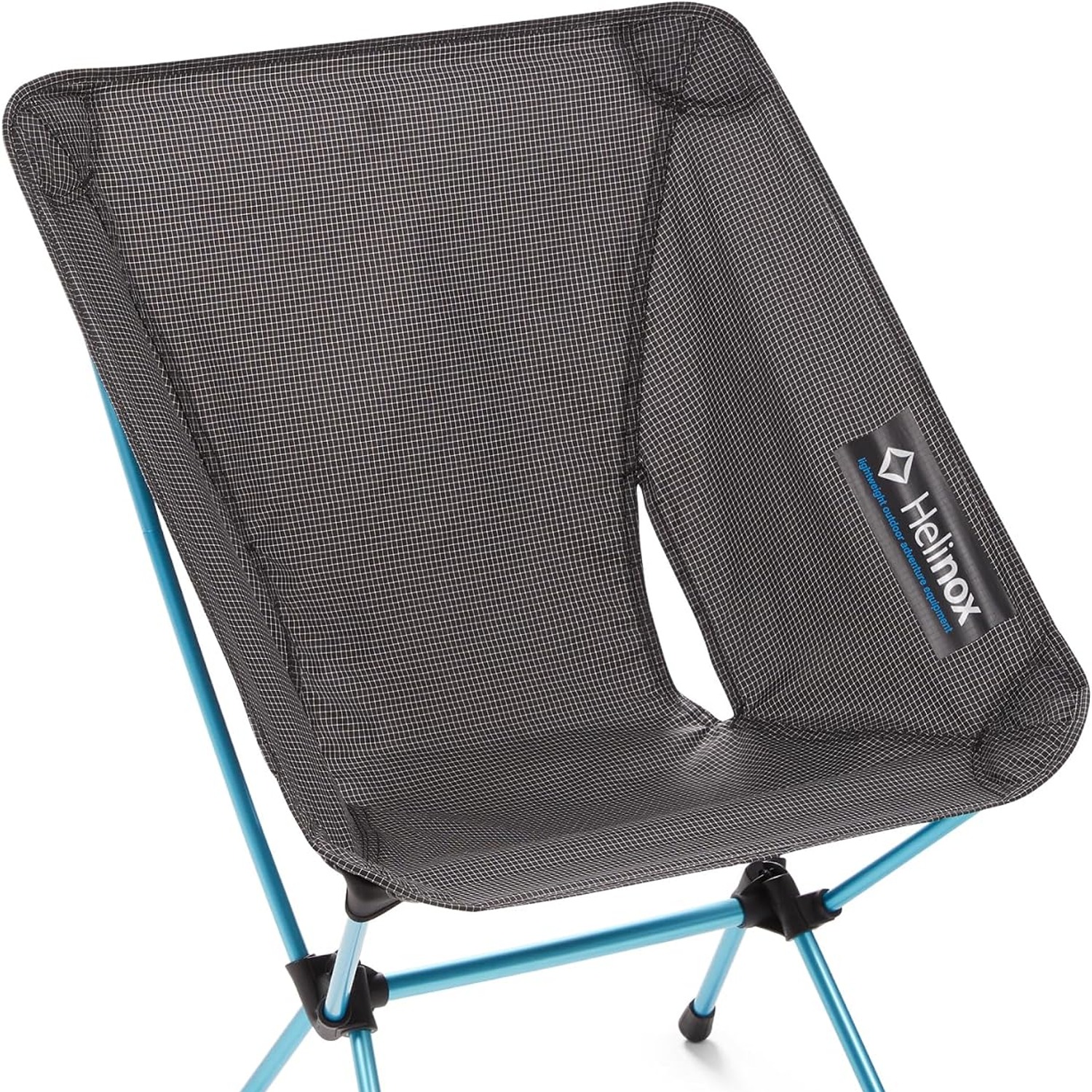
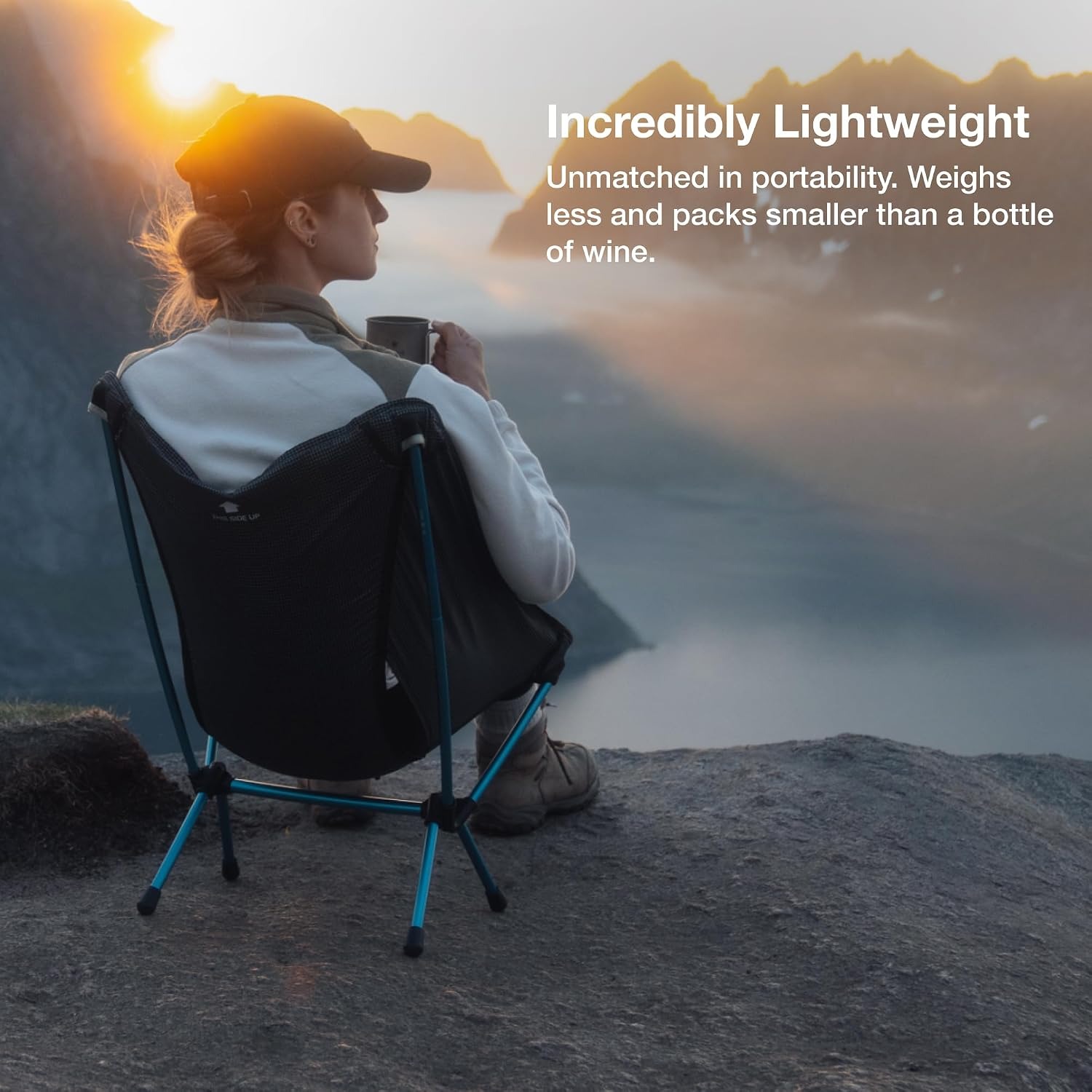
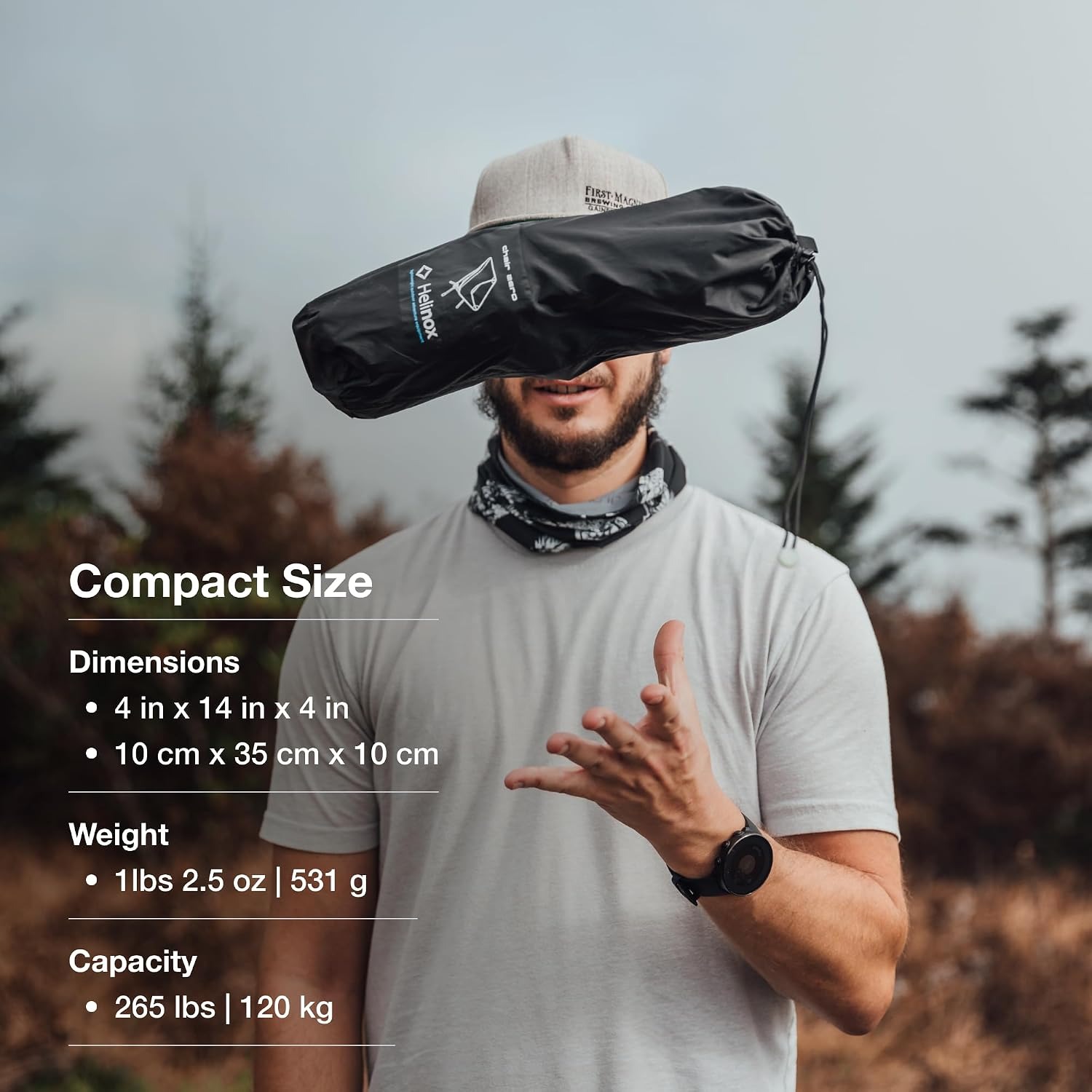
The Helinox Chair Zero exists because of that gap. At 510 grams packed and about 35 cm long in its case, it is light enough and small enough that carrying it stops feeling absurd. You get a seat with a back, off the wet ground, for the weight of a full water bottle.
How a pole-frame chair works
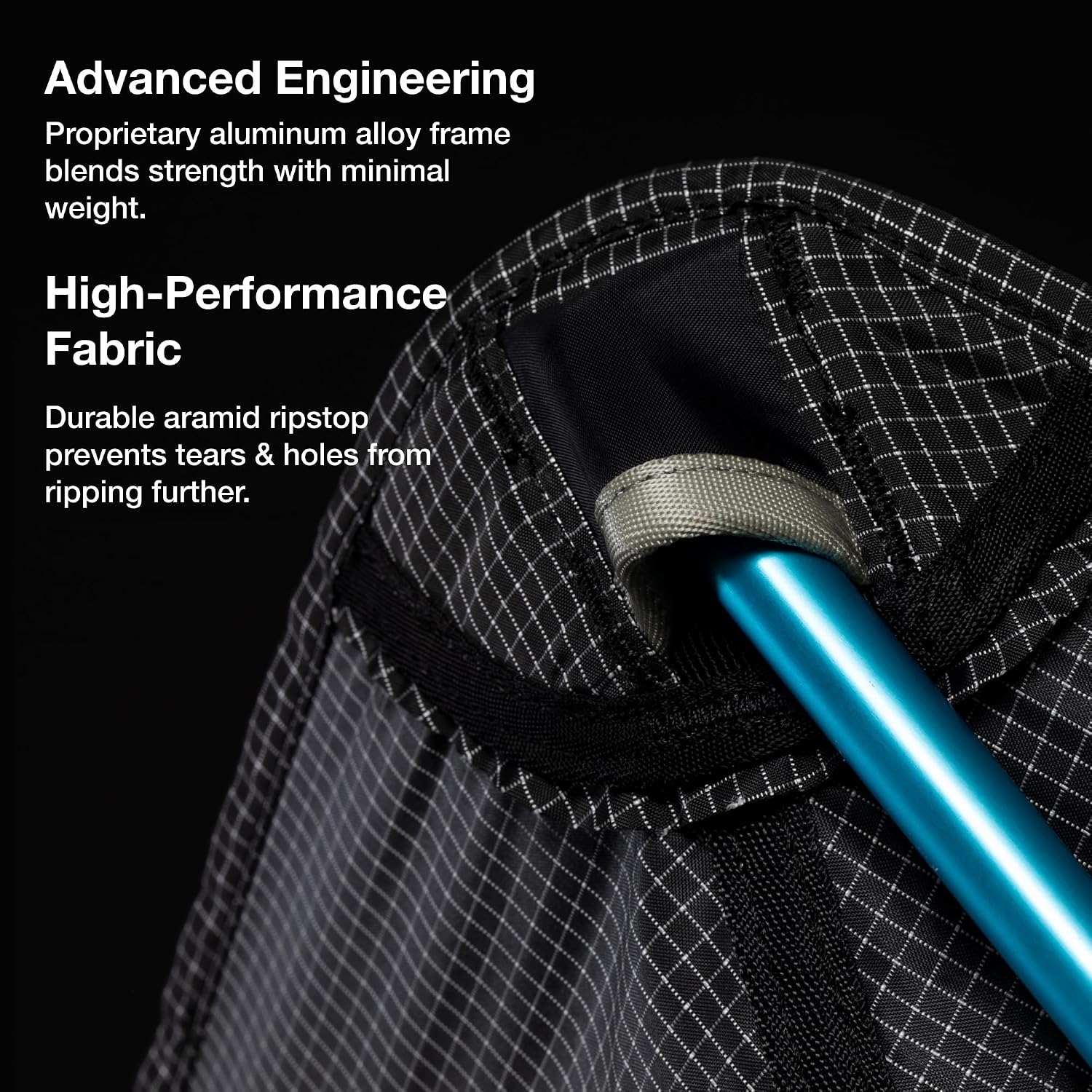
The design is closer to a tent than to a traditional folding chair. Thin aluminium poles are linked by an internal shock cord. You shake the frame out of the bag, the cord pulls the sections together, and you click the pieces into a rough X shape with cross members. Then you stretch a fabric seat over four pole tips at the corners.
That ripstop polyester seat is doing real structural work. Under load it pulls the frame into tension, which is why a bundle of light poles can hold up to 120.2 kg. Nothing is rigid on its own. The system becomes rigid when you sit in it.
The practical result is a chair with no bolts, no hinges to seize and no separate small parts to lose at dusk. The first setup takes a few minutes of fiddling, mostly on the last corner pocket, which is always the tight one. After three or four goes you will have it up in well under a minute.
Who this suits
Hikers doing overnight and multi-day trips are the core group. If your pack is already at fifteen kilos, half a kilo for a comfortable hour each evening is a trade most people happily make after trying it once.
Bikepackers and paddlers get on with it for the same reason. The packed shape slides into a pannier, a dry bag or a kayak hatch without forcing a repack. Motorbike campers like it because it bungees onto a rack without changing how the bike handles.
It also suits people whose chair has to be carried, not just transported. Festival goers crossing a field, parents walking to a sports sideline, travellers with a 20 kg luggage limit who still want somewhere to sit. For a lot of these buyers, the appeal is less about camping and more about having the best packable camping chair that does not eat a suitcase.
Who should skip it? If the chair only ever goes from boot to campsite, buy something heavier. A wide, tall, well-padded chair is more comfortable for a four-hour evening, and the weight penalty costs you nothing when a car is doing the carrying. This chair earns its price in situations where weight actually hurts.
Understanding the low seat
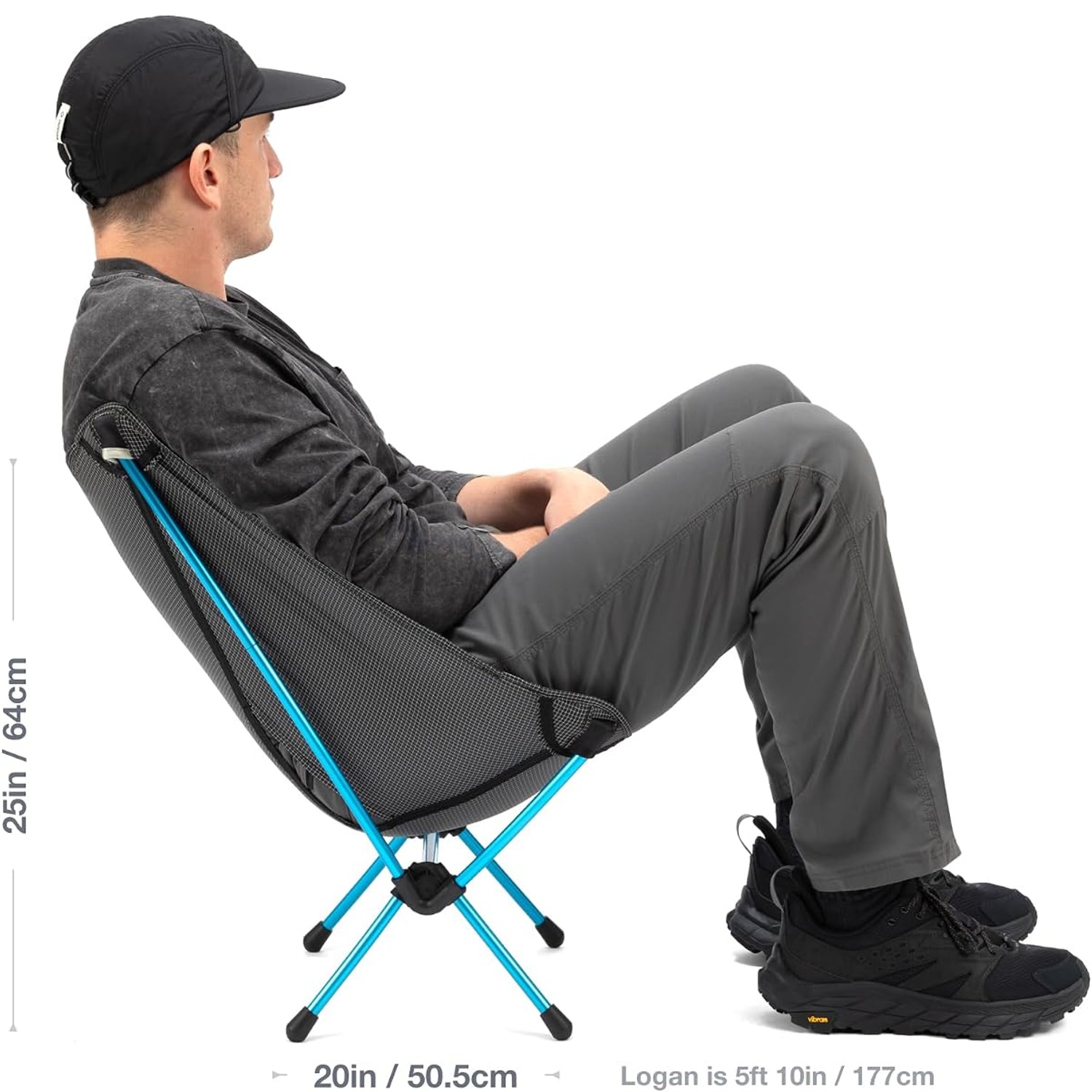
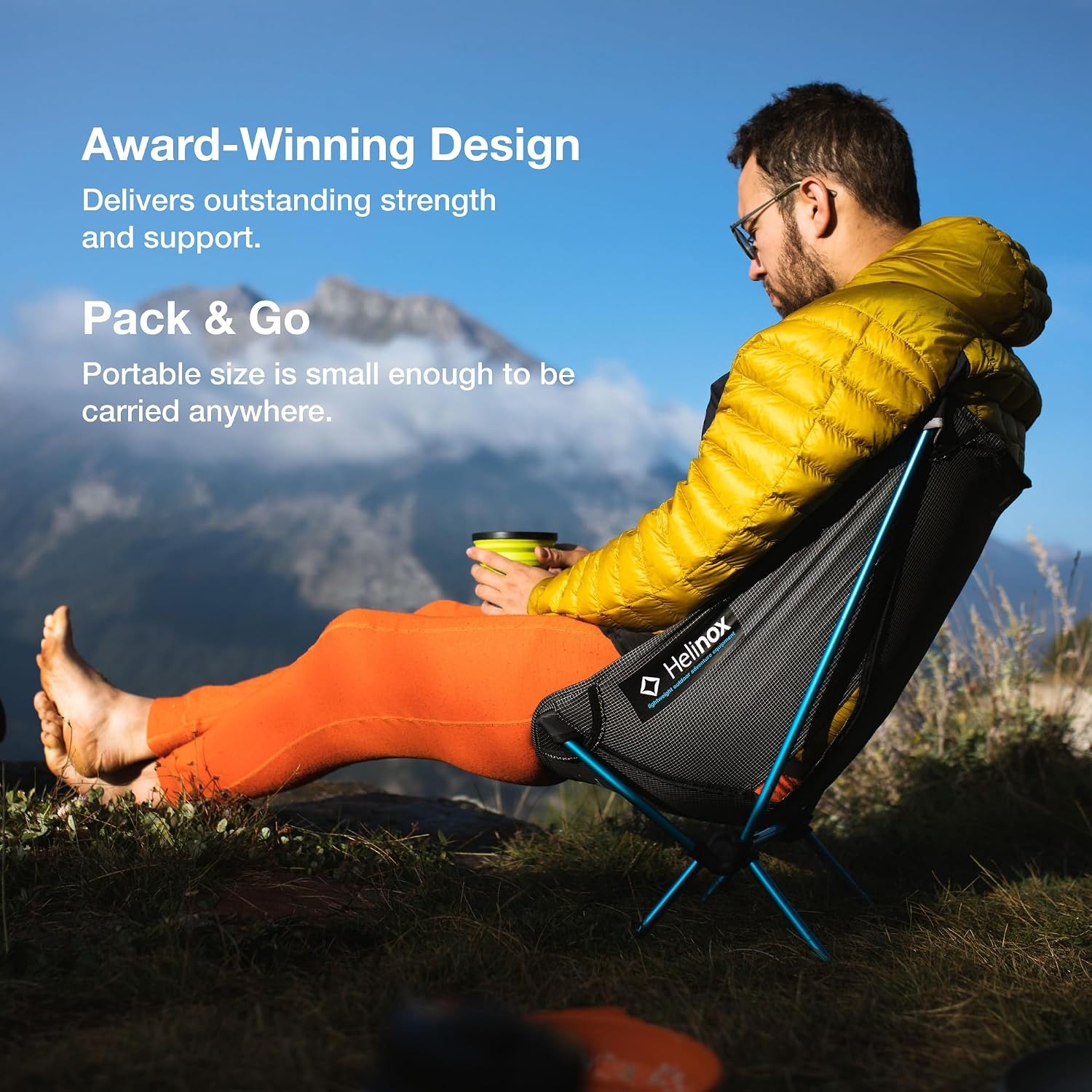
The seat sits 8.5 inches off the ground, and that number shapes the whole experience. You sink into a reclined position with your knees a little above your hips. For reading, drinking tea and staring at a fire, it is excellent. For eating off a camp table or working on a laptop, it is low.
Seat depth is 52 cm and the back is a solid panel, so support runs up your spine rather than cutting across. Overall set-up size is roughly 48.3 cm deep, 52.1 cm wide and 63.5 cm high.
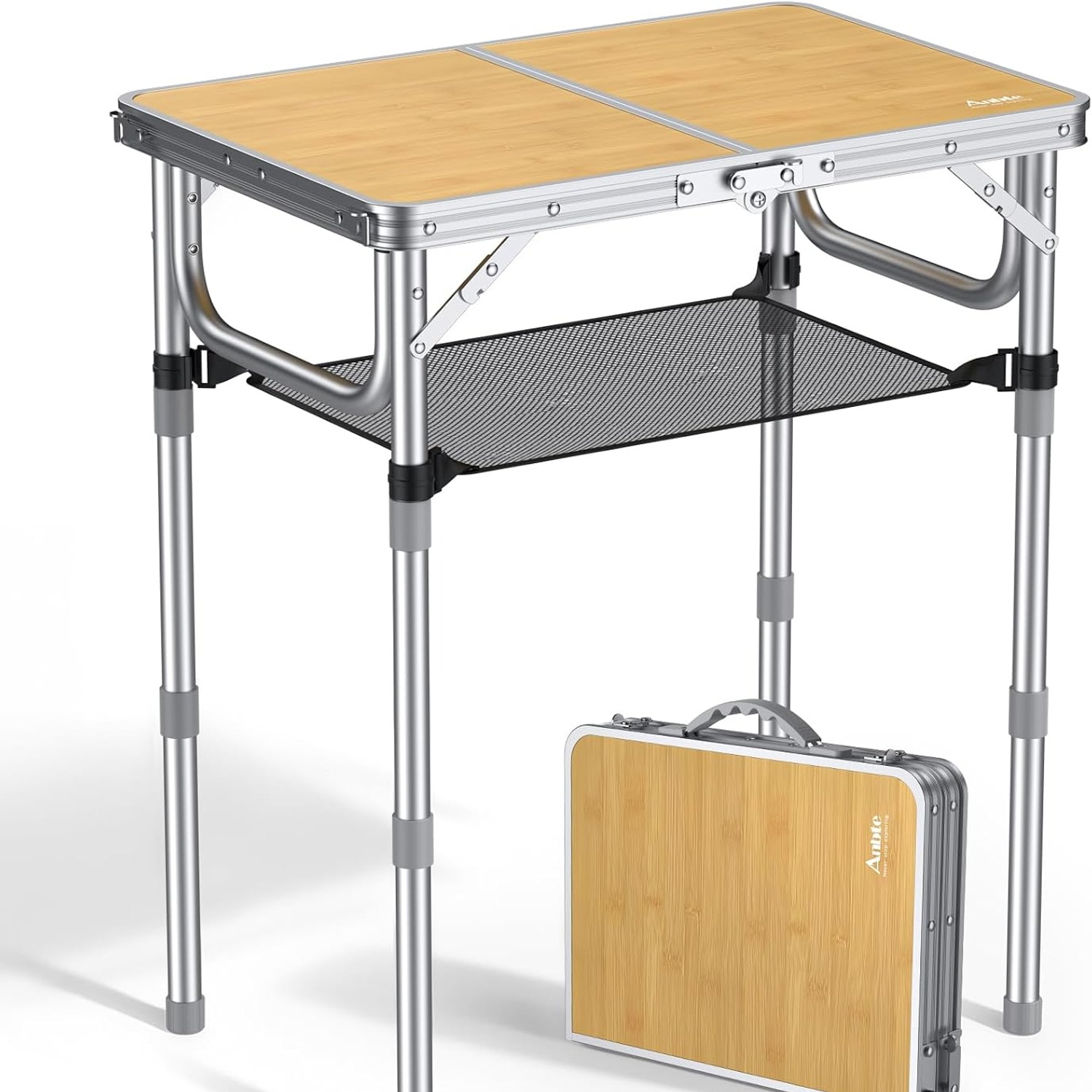
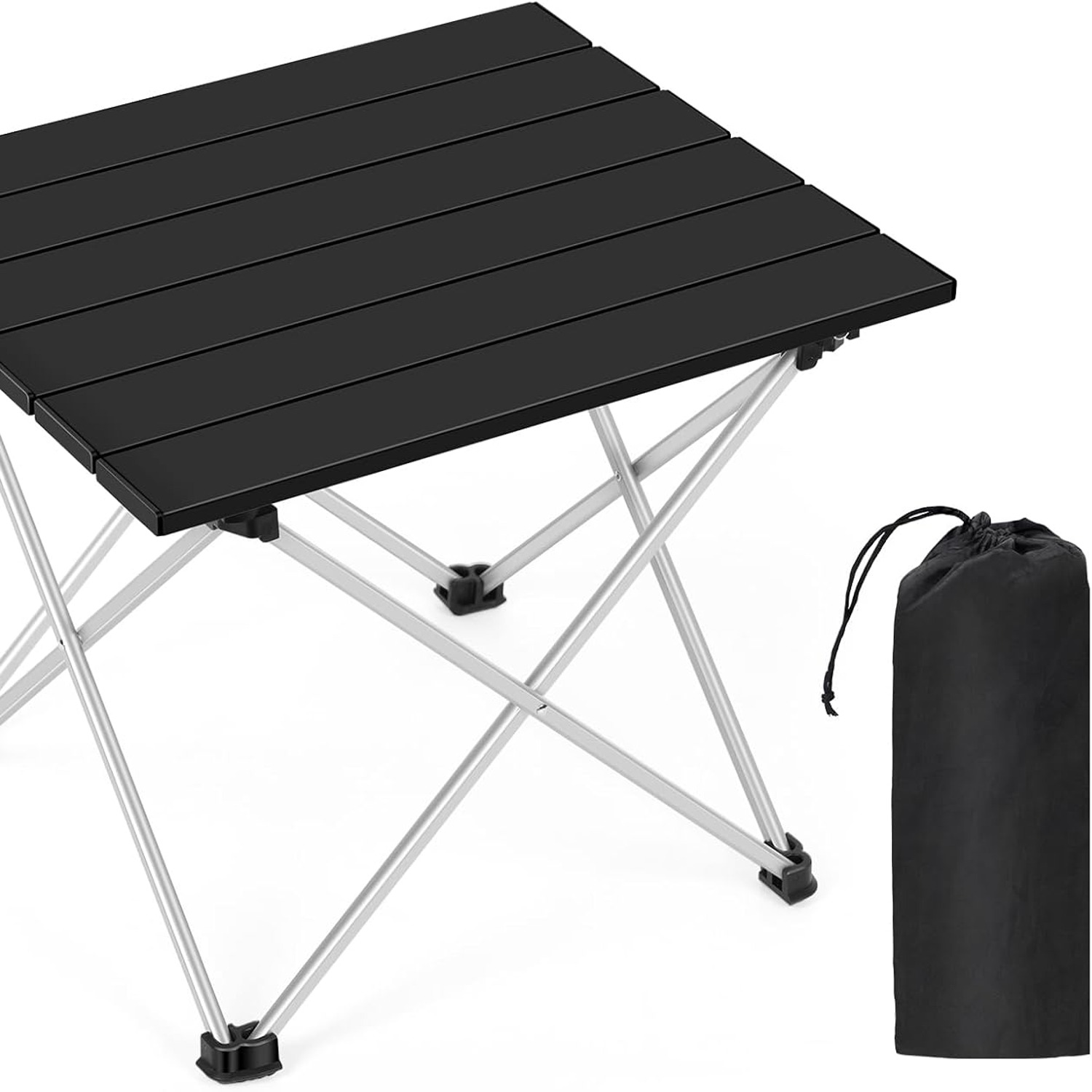
If you want a higher position, some people pair a low chair like this with a low table rather than trying to force it to table height. That combination works better than fighting the geometry.
How to choose between ultralight chairs
A few things actually matter when comparing models in this category.
Weight is the obvious one, and 510 grams sits near the light end of chairs with a back. Below that you are usually looking at pads or stools without back support.
Packed size matters just as much, and sometimes more. A chair that weighs the same but packs long and rigid is harder to fit into a pack than one that packs short. The 35 cm packed depth here is short enough to lie flat across most packs.
Weight rating tells you how much margin you have. At 120.2 kg there is room for an adult plus a jacket and a bit of enthusiasm, but it is not an invitation to drop into the seat hard. Lowering yourself with a hand on the arm is a habit worth building on day one.
Frame material and fabric decide how long it lasts. Aluminium poles and ripstop polyester are the standard combination for a reason. Ripstop keeps a small nick from running into a long tear, and polyester holds up to sunlight better than many ultra-thin alternatives.
Finally, look at the warranty. A five-year manufacturer's warranty on something this light says something about how the maker expects it to hold up.
Making it last
Lightweight gear rewards small habits. Grit is the main enemy. Sand and dirt that get into pole joints grind at the aluminium every time you assemble the chair, so tip the poles out and give them a shake before packing.
Soft ground is the second thing to watch. Narrow feet press into sand, mud and soft soil under body weight. A flat offcut of foam, a small board or purpose-made wide feet under each leg spreads the load and stops you sinking mid-conversation.
Clean it simply. A damp cloth, mild soap, a rinse and a full dry. Never machine wash the seat or tumble dry it. Store the chair dry and loosely packed in its case, out of direct sun, rather than leaving it crushed in a hot car for months.
Be sensible about where you drag it. Sharp rock edges and thin fabric do not mix. Lift and place rather than scrape.
The short version
The Helinox Chair Zero is a 510 gram folding chair with an aluminium frame, a ripstop polyester seat and a 120.2 kg maximum recommended weight. It packs to about 35 cm, assembles with a single inner bungee cord, comes in black with a carry case and is covered by a five-year manufacturer's warranty.
Buy it if you carry your gear, if pack space is tight, and if you have had enough of eating dinner on a damp log. Skip it if your camping happens within ten metres of a parked car, because in that case bigger and heavier is simply more comfortable.
For everyone in the first group, this is the kind of item that quietly becomes non-negotiable. You take it once, you sit down at the end of a long day, and it stays on the packing list from then on.