
The complete guide
Gazebo Side Walls Buyer's Guide - Fit, Fabric And Getting Real Use Out Of Them
The problem a roof alone does not solve
A gazebo looks like complete shelter until the first time you use it properly. The roof handles rain falling straight down and sun directly overhead. That is about it.
Then the wind shifts. Rain starts coming in at an angle and soaks the edge of the table. Or it hits four in the afternoon, the sun drops below the roof line, and half the people under the canopy are squinting into it. At a market, your stock gets blown about and customers stand in the gust instead of browsing.
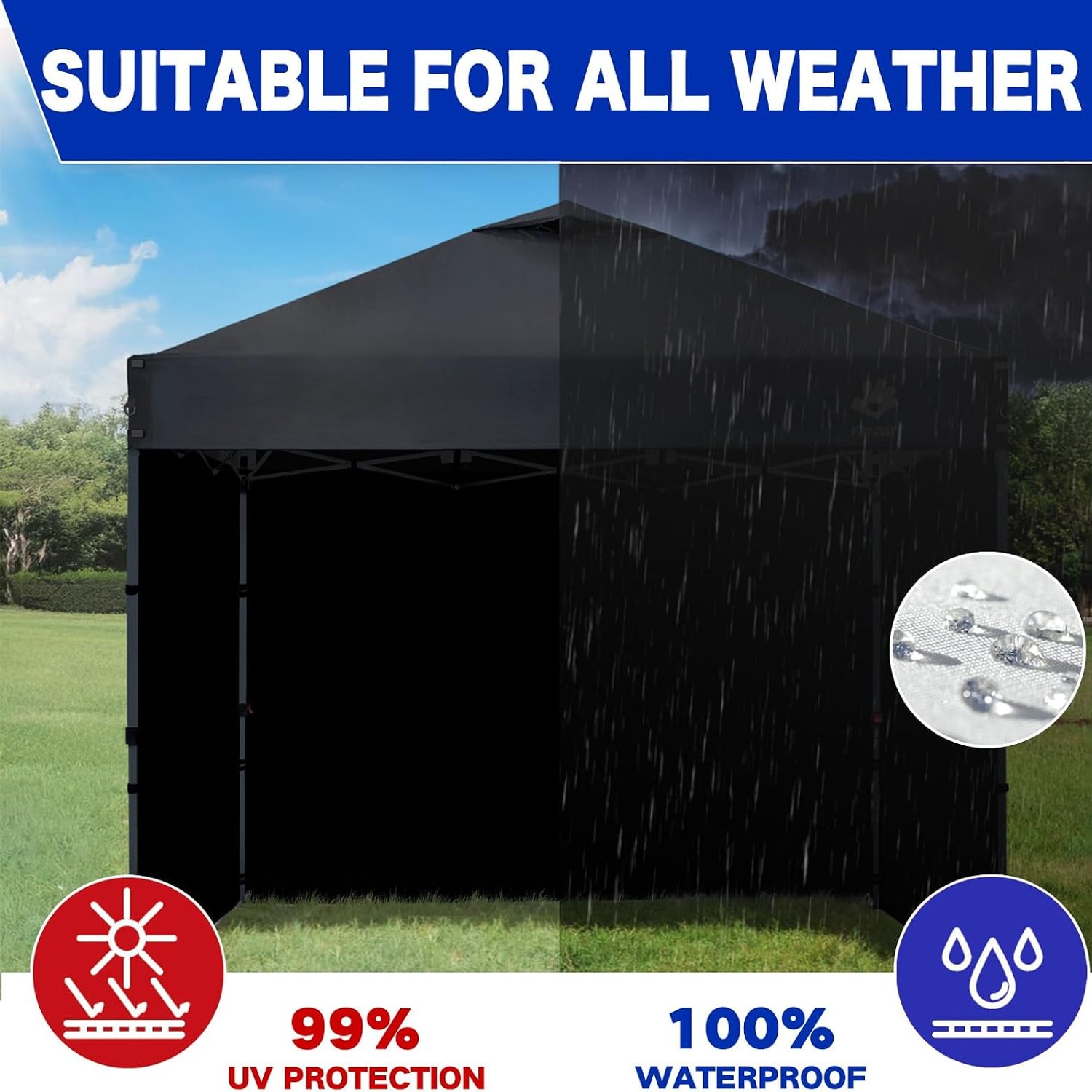
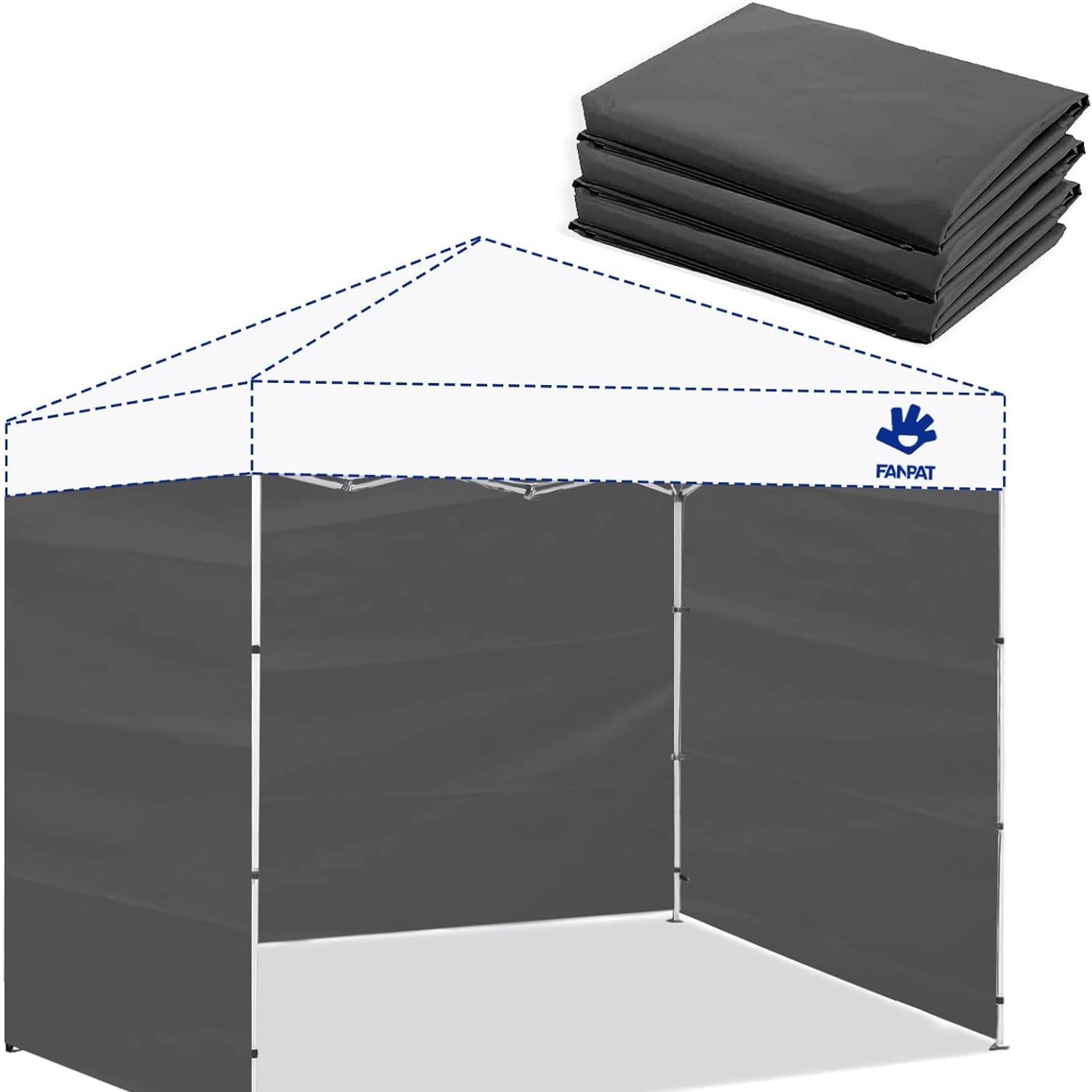
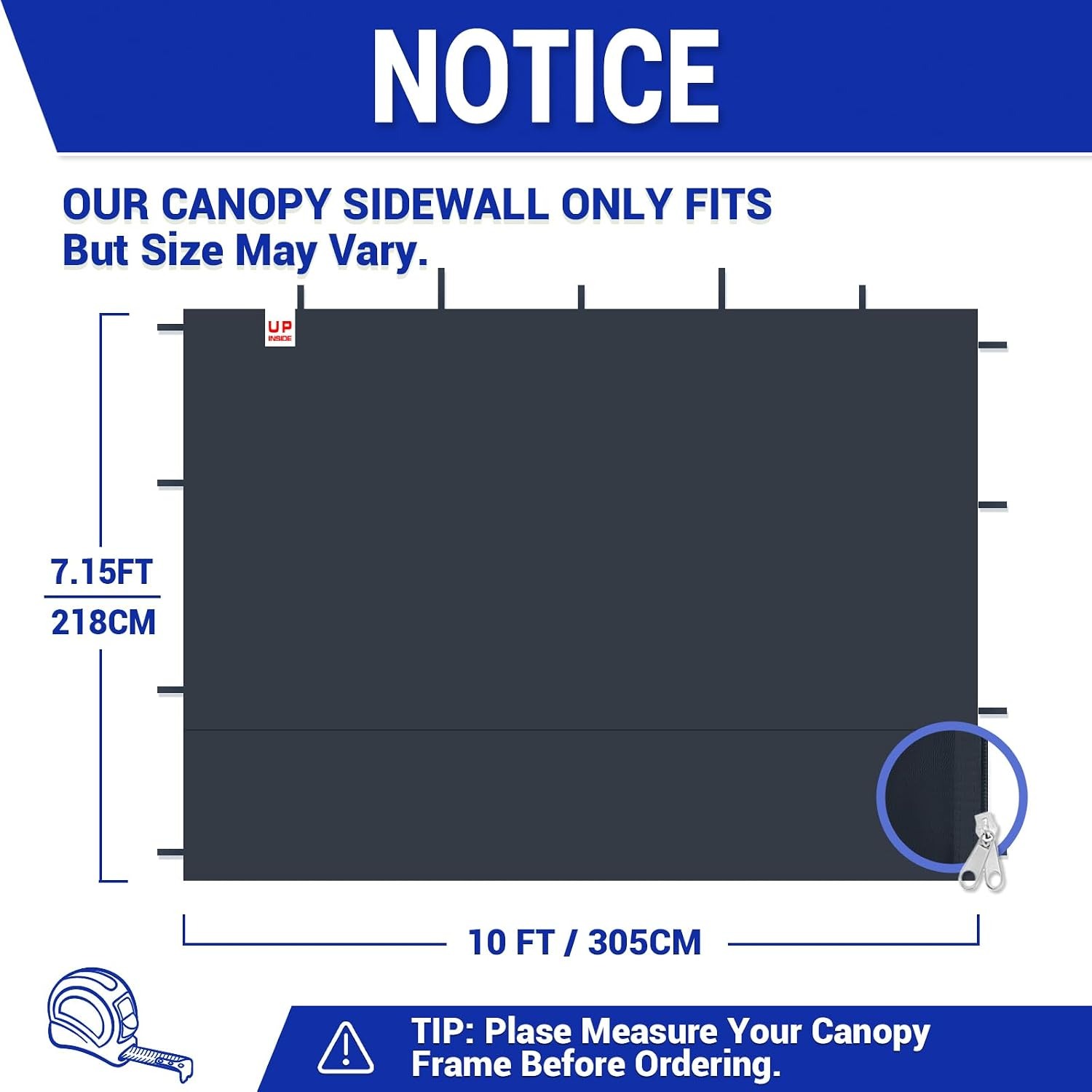
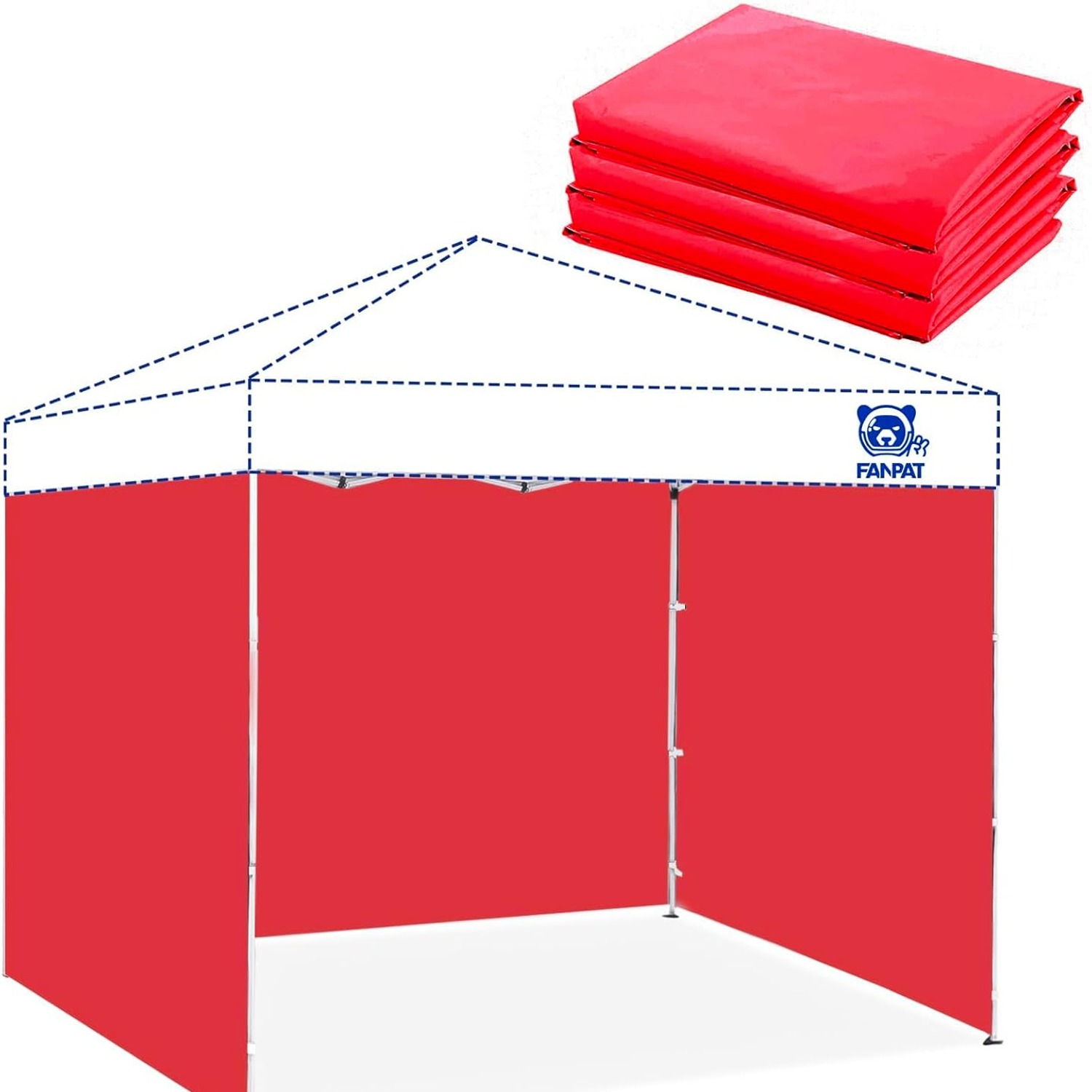
Side walls fix the part of the problem the roof cannot touch. These three panels each measure 3m wide and 0.86m high, which puts fabric exactly where it matters: at the level of tables, chairs, stock crates and the low sun. Across the set that is about 9.3 square metres of coverage.
How these panels work
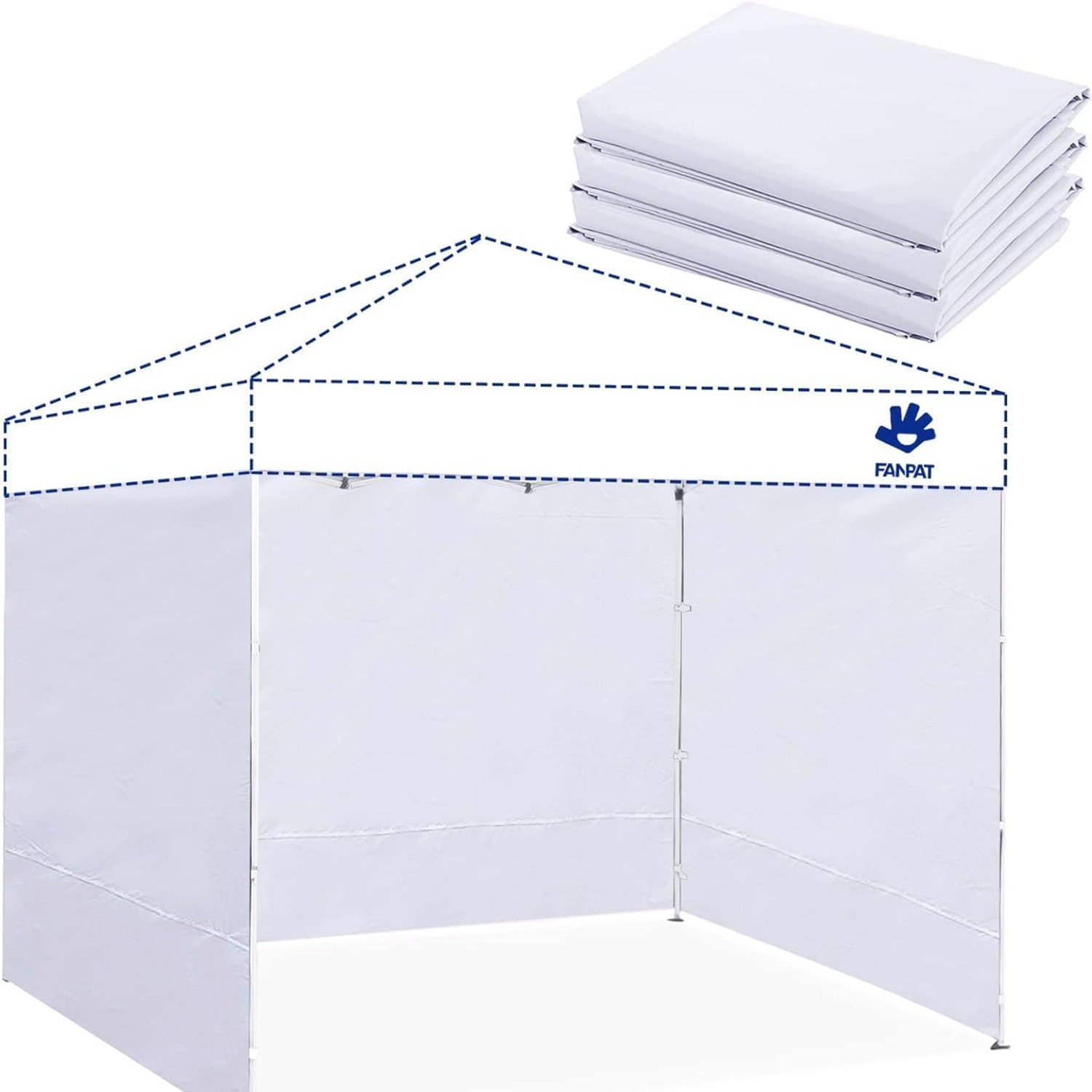
The design here is deliberately plain. Three separate polyester panels, black, with hook and loop strips that wrap around the frame of your gazebo.
That means no assembly. You do not thread a pole, undo bolts or line up a zip track. You hold the panel up against the frame and press the fastening strips closed around the uprights and the horizontal rail. One person can do all three sides without help, and taking them off again at the end of the day is faster still.
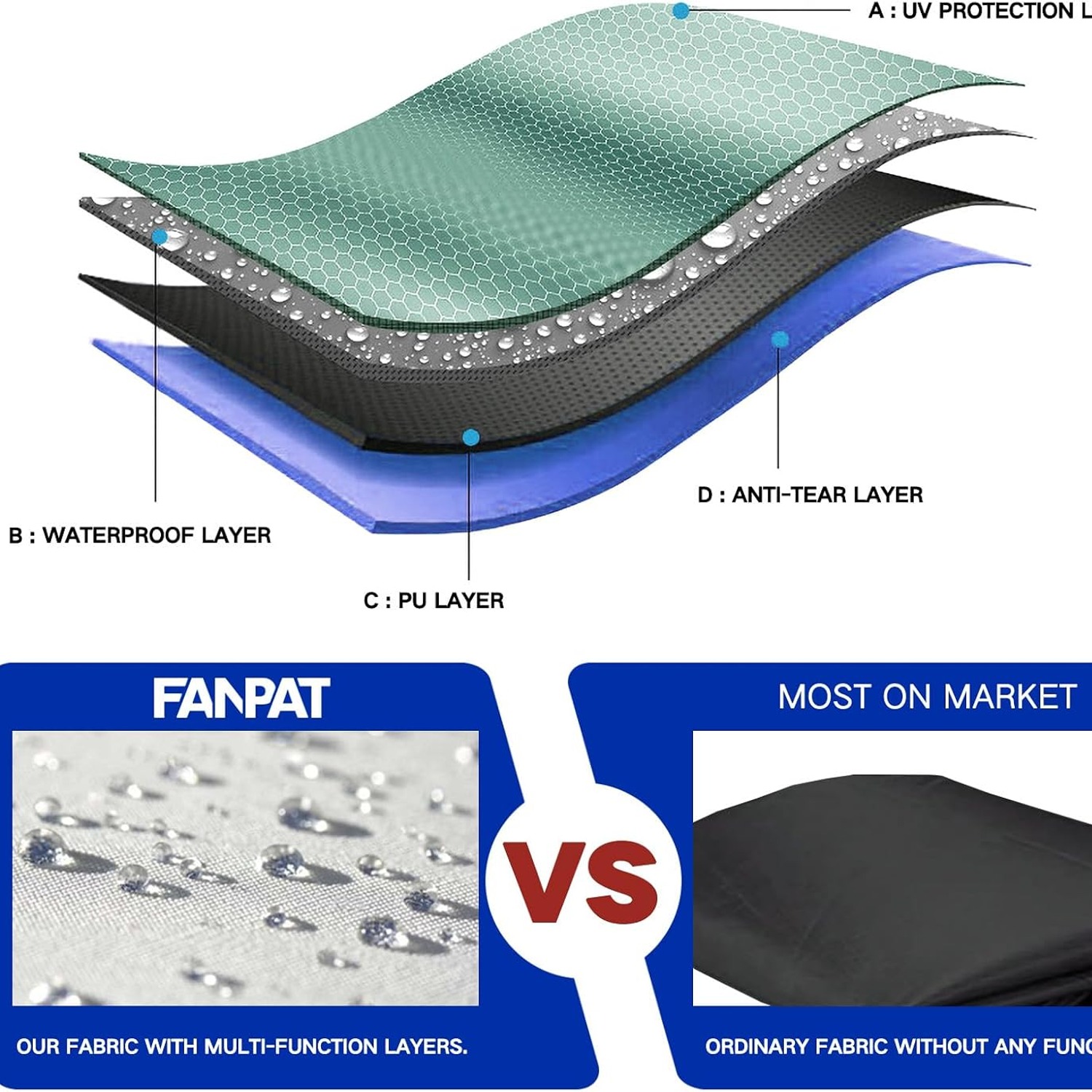
The fabric is polyester with a waterproof finish. Rain beads and runs off rather than wicking through, so whatever is on your table stays dry. The listing also notes UV protection, which is the quiet benefit people forget. A roof stops overhead sun. Only a side wall stops the sun that arrives sideways.
Who gets the most out of them
Market and event traders. If you set up a stall most weekends, side walls change the whole experience. Stock stops blowing off the table, your back wall gives you somewhere to hang signage, and the stall looks finished rather than improvised. Half-height panels are a good choice here because customers can still see in over the top.
Campers and caravanners. Camping is listed as a recommended use, and that fits. A gazebo over the camp kitchen is miles better with a wind break on two or three sides. Cooking is easier, the table stays dry, and the seating area feels less exposed.
Backyard hosts. For a birthday, an engagement or just a long lunch, the panels take the edge off a breeze and keep a drizzle off the food. You can put up one side only if the wind is coming from a single direction.
Sports sidelines and club days. Anyone sitting under a canopy for hours in the open will feel the difference. These are among the more useful outdoor event shelter walls simply because they go up and come down so quickly.
Choosing the right set
Start with your frame. These panels are 3m wide, built for the standard 3m by 3m pop up gazebo. That is the most common size sold, but not the only one. Measure from upright to upright before you buy. If your frame is 2.4m or 4m, a 3m panel will either bunch awkwardly or leave a gap.
Then think about height. At 0.86m, these are half-height panels. They block wind and low sun at the level where it bothers you, but they do not enclose the space from roof to ground. If you specifically want a sealed room with full walls and a zip door, that is a different product. If you want the practical benefit without losing light, visibility and airflow, half-height is often the smarter buy.
Three panels suits most people because you keep one side open. That is not a limitation, it is good practice. An open side gives you access and lets wind pass through instead of pushing against the canopy. Fully enclosing a lightweight gazebo in a breeze is how frames get bent.
Finally, consider colour. Black hides dirt and cuts glare. If you are using the gazebo commercially, dark panels also give a cleaner backdrop for product displays.
Setting them up well
Put the roof on first and get the frame to full height before you add walls. Trying to fit panels to a half-extended frame is fiddly.
Work one panel at a time. Hold it level, fasten the top strips to the horizontal rail, then work down the two uprights. Keep the fabric reasonably taut as you go. A slack panel flaps, and flapping is what wears fabric and loosens fastenings.
Deal with the bottom edge. This is the step people skip. The panel is fixed at the frame, so the lower hem is free to lift. A gust gets underneath and the whole thing billows. Clamp it to a table leg, lay a length of timber along the base, or peg it if you are on grass. Five minutes here makes the difference between walls that work and walls that annoy you.
Know when to take them down. Adding side walls increases how much wind your gazebo catches. In genuinely strong wind, strip the panels off or pack the gazebo away. No fabric panel is worth a broken frame.
Looking after them
Polyester is easy to maintain, and the main thing is drying.
Never pack them wet. Damp fabric folded into a bag for a week comes out smelling bad and sometimes stained. If you have to pack up in the rain, spread the panels out at home the same day and let them dry fully.
Clean with a damp cloth and a little mild soap. Rinse the soap off and let the panel air dry. Keep bleach, solvents and the washing machine away from them, because harsh cleaning strips waterproof finishes and the panel becomes just fabric.
Look after the fastenings. Hook and loop fails for one reason, which is debris. Sand, grass seed and loose fibres clog the hooks. Pick them out or brush them clean every few uses and the grip stays strong for years.
Store rolled or loosely folded in a dry spot away from direct sun. Long-term UV exposure fades and weakens fabric even when it is not in use.
What this set is not
Worth being clear. There is no gazebo included, so you need an existing frame and top. There are no windows or door panels listed. There is no fourth side.
Weight, packed size and country of origin are not specified in this record, and we are not going to guess at numbers. If one of those matters to your decision, ask us before ordering and we will find out.
The short version
If you own a 3m gazebo and you use it more than once a year, side walls are the upgrade that actually changes something. These three waterproof polyester panels go on by hand in a few minutes, each covering 3m by 0.86m, for roughly 9.3 square metres across the set.
They block sideways rain, cut low sun, calm the wind at table height and make the space underneath feel like a place rather than a patch of shade. Measure your frame, weigh the bottom edge down when you fit them, dry them before storage, and take them off when the wind gets serious. Do those four things and you will get years of use out of them.