Camping Company
Company
Shop By Category
T&Cs
Shop Online
  • Clear materials and product specifications
  • Free tracked delivery across South Africa over R1800
  • 14-day returns

Tent Footprint | Waterproof Camping Tarp | Ground Sheet Tarp

Waterproof Tent Footprint Tarp

R726.99 R871.99 Save R145
  • Waterproof Oxford
  • Metal Eyelets
  • Packs Small
  • 367 g Light

Price: R726.99 R871.99

  • Free tracked delivery across South Africa on orders R1800+, otherwise a flat R250
  • Pay by card, handled by the payment provider
  • 14 days to change your mind, plus your statutory rights
Product specifications
BrandAzarxis
Model NumberAZ-OS0108
Manufacturer Part NumberAZ-OS0108GR-M
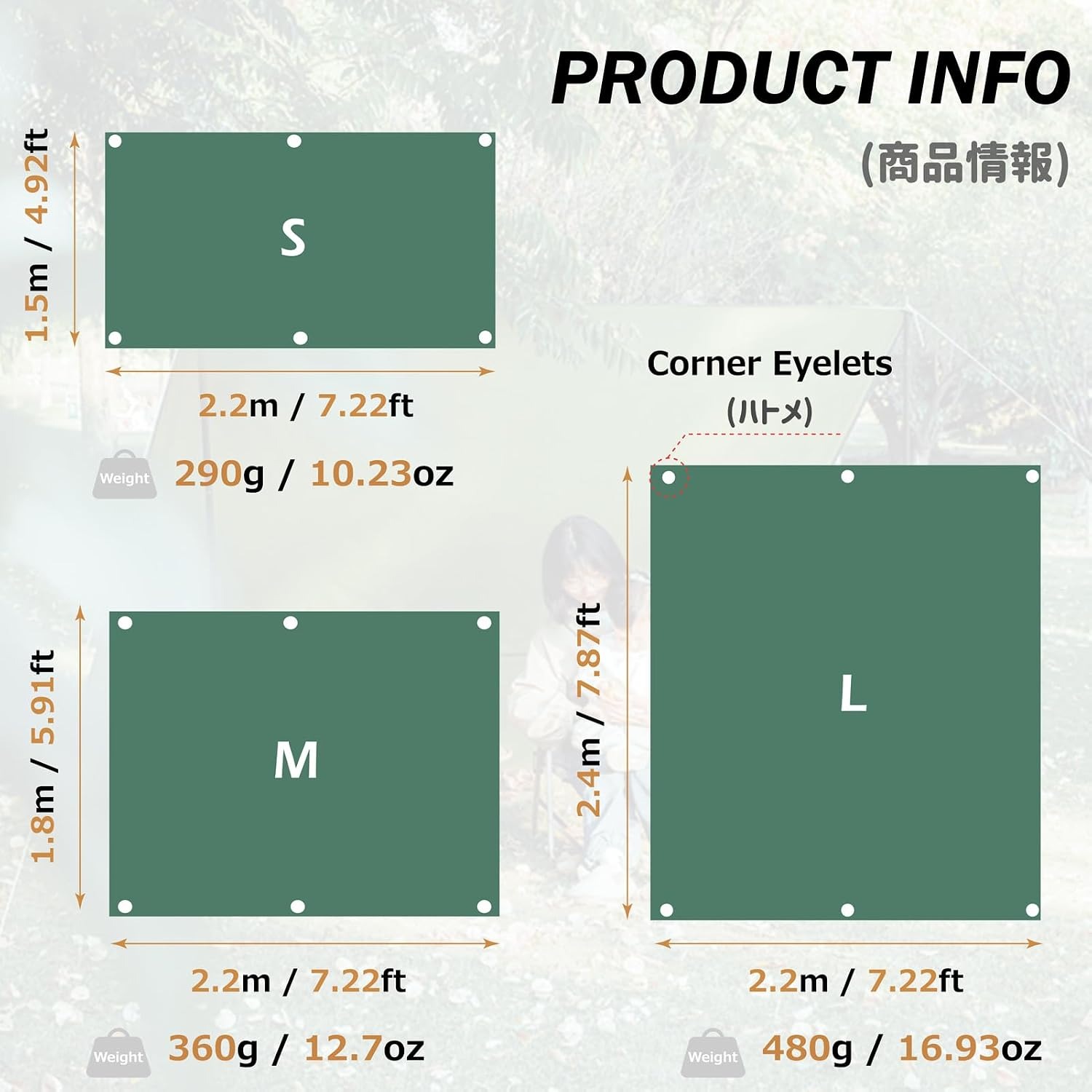
SizeMedium, 1.8 x 2.2 m
Item Dimensions (L x W)2.2 m x 1.8 m
MaterialOxford
Colour01 Army Green
Water ResistanceWaterproof
UV ProtectionNot rated
Included ComponentsFoldable footprint, storage pouch
Item Weight367 g
Number of Items1
Number of Packs1
Recommended UsesCamping, hiking, picnic, blanket, shelter
UPC605244311242
Weight367 g
Shipping & returns

Tracked delivery anywhere in South Africa. It is free on orders of R1800 or more, and a flat R250 below that.

You have 14 days from delivery to cancel for any reason, and a further 14 days to send it back (our own promise, beyond the 7-day cooling-off right in section 44 of the Electronic Communications and Transactions Act 25 of 2002) in resaleable condition. We refund the price you paid, including standard delivery. You cover the cost of returning it unless the item is faulty.

If it arrives faulty, damaged or not as described, we put it right at no cost to you under the Consumer Protection Act 68 of 2008, return postage included.

Shipping details · Refunds and returns

Waterproof Oxford420D Oxford fabric with a waterproof treatment keeps ground damp off your tent floor.
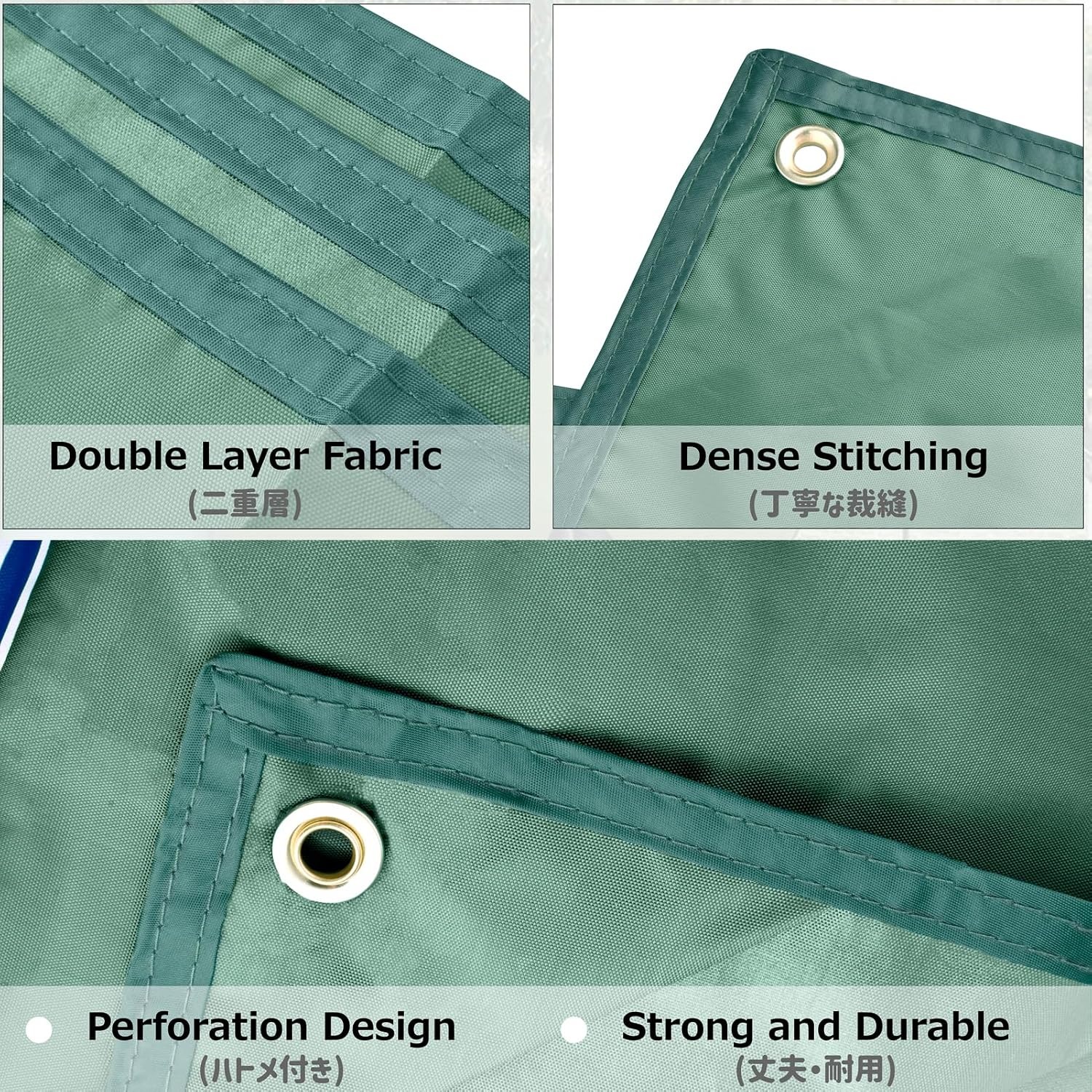
Metal EyeletsGrommet eyelets let you peg it down or rig it as a simple sun shade.
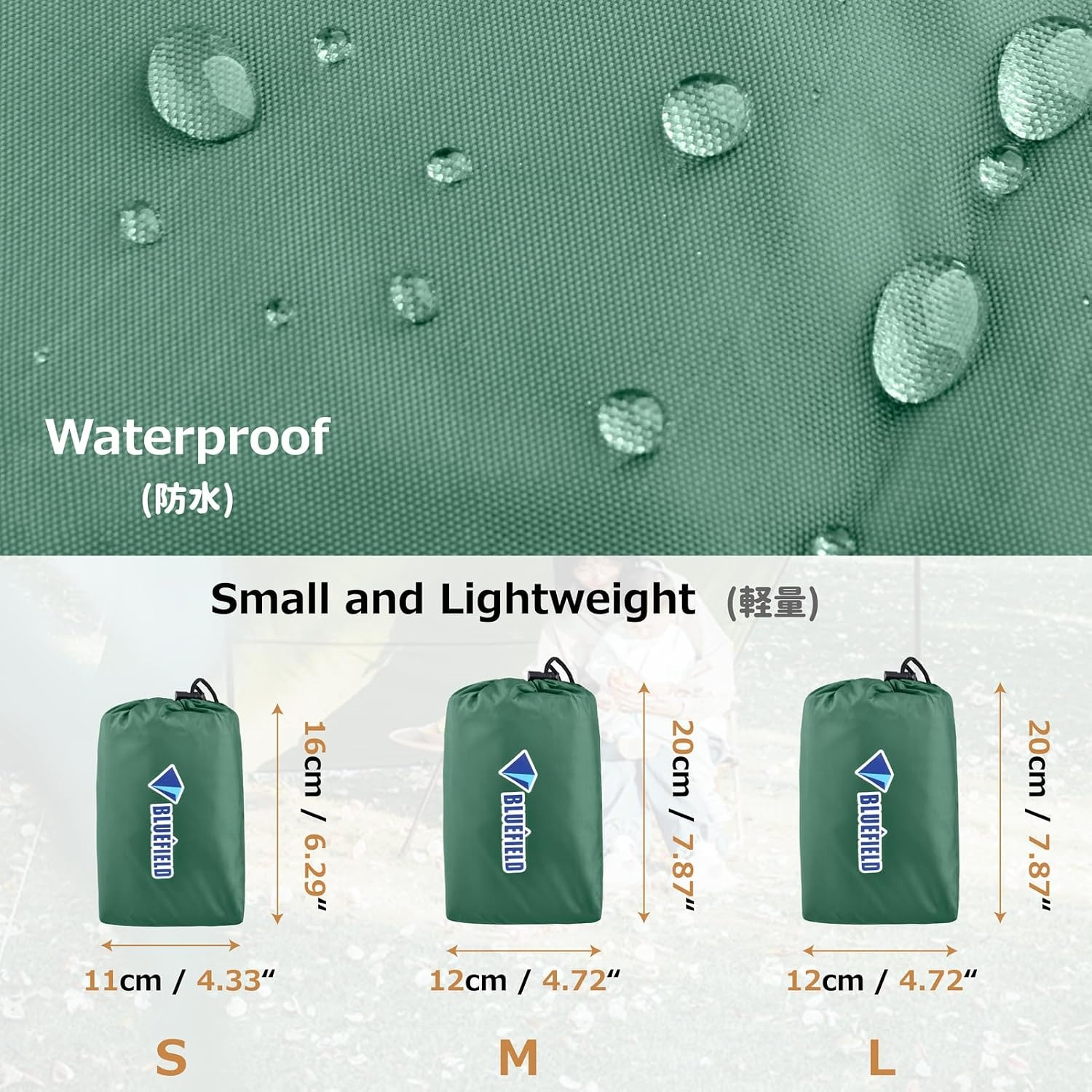
Packs SmallFolds into the included storage pouch, so it tucks into a pack or boot corner.
367 g LightLight enough to carry on a hike without rethinking the rest of your kit.

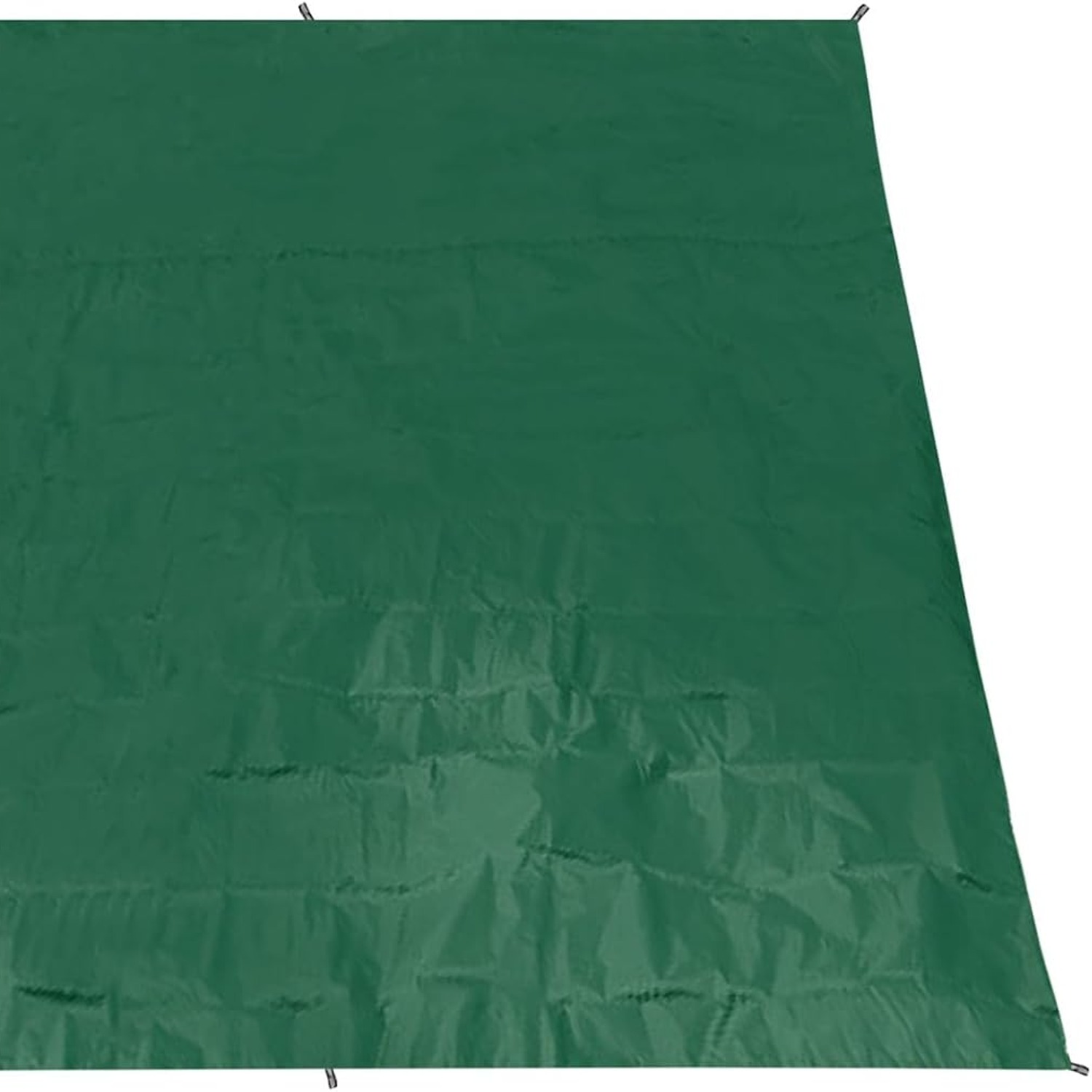
A tent footprint that keeps the damp, grit and sharp stones away from your tent floor.

Made from 420D Oxford fabric with a waterproof finish, metal grommet eyelets and its own storage pouch, so it packs down small and works as a ground sheet or a quick sun shade.

This tent footprint sits between your tent floor and the ground, taking the wear from grit, twigs and sharp stones so your tent lasts longer.

The 420D Oxford fabric has a waterproof treatment, which helps stop damp ground soaking through while you sleep.

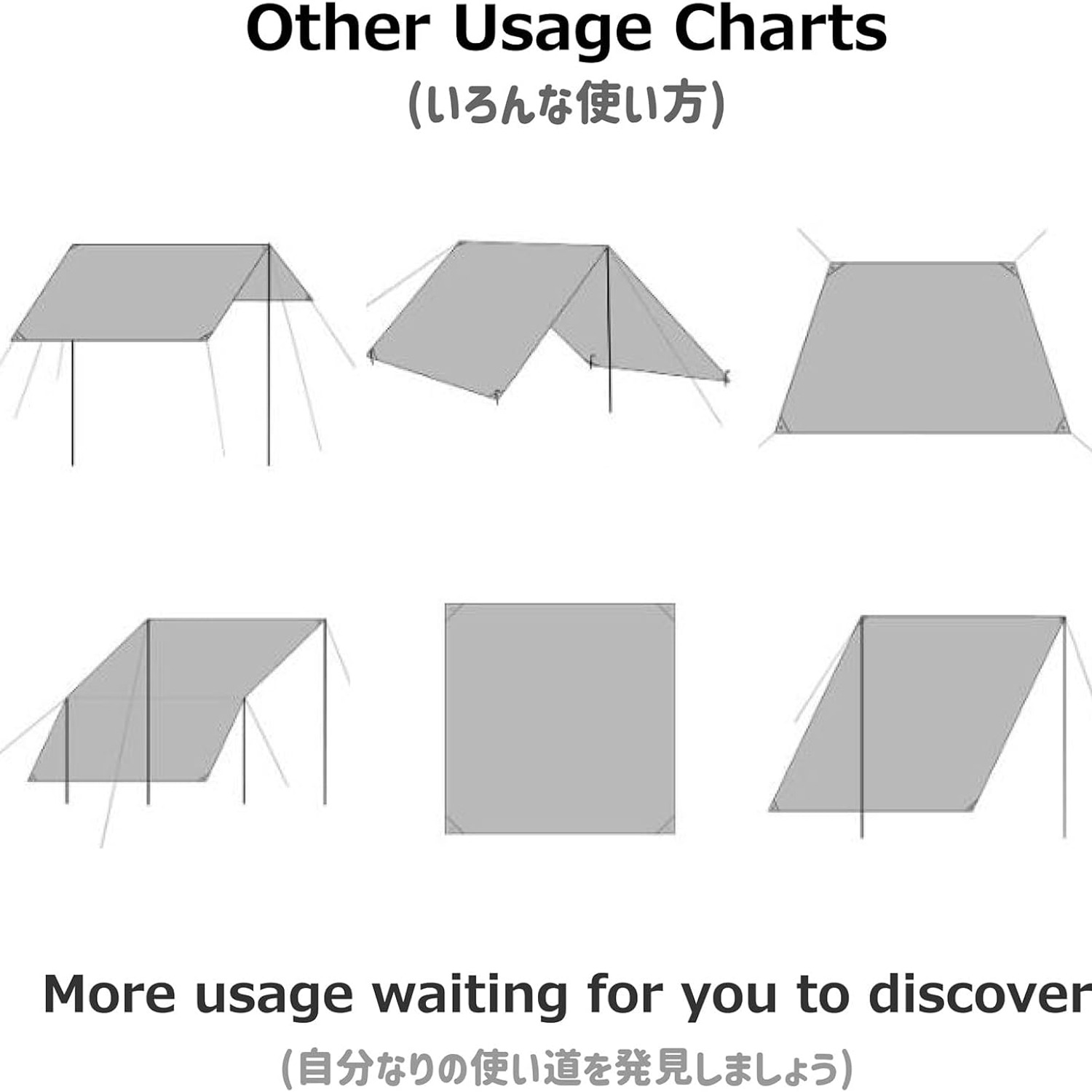
Metal grommet eyelets around the edge mean you can peg it flat or string it up with guylines as a quick sun canopy.

At 367 grams it folds into its own storage pouch and disappears into a pack, boot or caravan locker.

The 1.8 x 2.2 m size suits most two and three person tents, picnics, beach trips and gear staging outside the door.

Waterproof Tent Footprint Tarp

A tent floor takes more punishment than any other part of your shelter. Every time you shuffle around inside, the fabric grinds against whatever is underneath it, and small stones, dry twigs and coarse sand slowly wear the coating away. A tent footprint is the cheap layer that takes that abuse instead. This one is cut to 1.8 x 2.2 metres, a size that suits a lot of two and three person tents, with enough fabric to tuck under the edges where the water runs off.

Waterproof Tent Footprint Tarp

The fabric is 420D Oxford with a waterproof treatment. Oxford is a tight basket weave that resists abrasion well for its weight, which is exactly what you want in something that spends its life being dragged across dirt. The waterproof finish is the part that matters on a damp morning, when the ground under your tent is holding more moisture than you expected and you would rather it stayed there.

Waterproof Tent Footprint Tarp

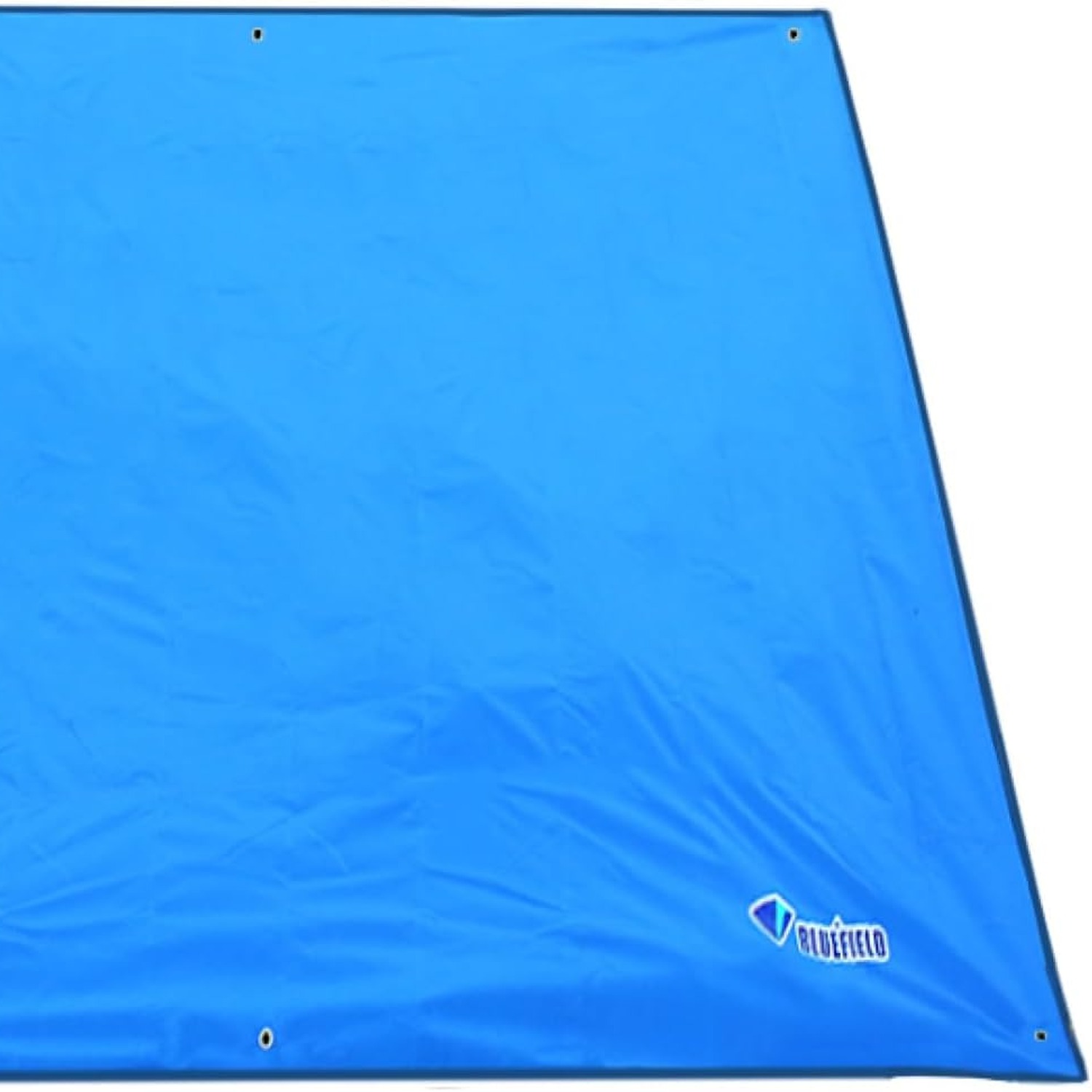
Metal grommet eyelets run around the edge, and that is what turns a ground sheet into something more useful. Peg it through the eyelets and it will not creep out from under the tent on a windy night. Run guylines through them and clip them to trees or poles and you have a rough and ready sun shade over the picnic table, or a rain cover to keep the camp kitchen dry while you cook.

Waterproof Tent Footprint Tarp

Packed, it weighs 367 grams and folds into the storage pouch it comes with. That is light enough that it does not change the way you pack for a hike, and small enough that it lives permanently in the camping tub without taking up room. The army green colour hides dirt and stains better than a pale fabric, which is a small thing you appreciate after a few muddy weekends.

Waterproof Tent Footprint Tarp

It is not only a camping item. People use a sheet like this on the beach to sit on, under a bike for messy maintenance, in the boot to protect the carpet from wet gear, and at festivals or sports days as a dry patch of ground. Once you own one, you tend to find a job for it most months.

Not sure yet? That is fine.

Camping gear has to suit your trip and your climate, and you cannot always judge that from a photograph. You have 14 days from delivery to cancel for any reason, and a further 14 days to send it back (our own promise, beyond the 7-day cooling-off right in section 44 of the Electronic Communications and Transactions Act 25 of 2002) in resaleable condition. We refund the price you paid, including standard delivery.

If it turns up faulty, damaged or not as described, that is on us. The Consumer Protection Act 68 of 2008 covers you, and we pay the return postage. Read the full detail on our refunds and returns page, or ask us anything before you order.

Frequently Asked Questions

What is a tent footprint actually for?

It is a protective layer that goes between the ground and the floor of your tent. It takes the abrasion from stones, grit and twigs so your tent floor does not, and it adds a barrier against damp coming up from the soil. Over a few seasons it can meaningfully extend the life of a tent.

What size is this one?

This is the medium size, 1.8 metres wide by 2.2 metres long. That footprint suits a lot of two and three person tents. Measure your tent floor before ordering so you know how it will sit underneath.

What is it made from?

The fabric is 420D Oxford, which is a tightly woven polyester-style cloth known for standing up to scuffing. The listing describes it as waterproof. Oxford is a common choice for the best ground sheet for camping because it balances toughness against weight.

How much does it weigh?

It weighs 367 grams. That is light enough to carry in a hiking pack without much thought, and it folds into the included pouch so it does not sprawl around your gear.

Is it genuinely waterproof or just water resistant?

The product details list the water resistance level as waterproof, and the fabric has a waterproof treatment. In practice, a ground sheet under constant pressure in a puddle will eventually let moisture through at the contact points, which is true of almost any footprint. Pitching on slightly raised ground is still the best habit.

Does it come with pegs or guylines?

No. The included components are the foldable footprint and the storage pouch. You use your own pegs or cord through the metal eyelets, which most campers already carry.

Can I use it as a sun shade rather than a ground sheet?

Yes. Thread guylines through the grommet eyelets and tie off to trees, poles or a vehicle, and it works as a simple canopy. It is a popular trick at the beach and in open campgrounds where there is no natural shade.

Does it block UV?

The specifications list ultraviolet light protection as false, so no UV rating is claimed. It will cast shade and block direct sun as a physical barrier, but treat it as shade rather than as sun protection. Sunscreen still matters underneath it.

What colour is it?

It is listed as 01 Army Green. Darker colours like this tend to look tidier through a dirty season than pale fabrics, which is why many people pick them for the best camping tarp with eyelets.

How many eyelets are there and where?

The listing confirms metal grommet eyelets for pegging and guyline use but does not state a count or exact spacing in this record. They are positioned around the edge of the sheet. Check the item on arrival if you plan a specific rigging setup.

Will it fit under my tent exactly?

It is a rectangular sheet, so it will not match a curved or tapered tent floor precisely. Most people fold the excess underneath so no fabric pokes out past the tent edge. That fold matters more than a perfect fit.

Why should the footprint not stick out past the tent?

Any fabric sticking out past the tent catches rain running off the flysheet and channels it under the floor. Folding the edges in keeps that water outside where it belongs. It is the single most common mistake with a ground sheet tarp.

Can I use it on gravel or rocky ground?

Yes, and that is where it earns its keep. The Oxford weave resists abrasion well, though sharp rock will eventually mark any fabric. Clear the obvious stones first and the sheet will last far longer.

Is it suitable for the beach?

It works well as a beach mat or beach shade tarp. Sand brushes off easily once dry, and the waterproof face stops damp sand soaking through to your towel. Shake it out thoroughly before packing so sand does not grind the coating.

Can I sit or lie directly on it?

Yes. One of the recommended uses is as a blanket, so it is fine for picnics, stretching out at a sports day or sitting around camp. It is not padded, so a mat or cushion helps on hard ground.

Does it work inside the tent instead of under it?

Some people lay a sheet like this inside as an extra floor liner, and it works for keeping grit off the tent floor. It is more commonly used underneath. Either way, make sure it is dry before packing.

How do I clean it?

Shake off loose dirt and sand, then sponge it with cool water and a little mild soap. Rinse and hang it to dry completely. Skip the washing machine, bleach, solvents and the tumble dryer.

What is the best way to store it?

Dry first, every time. Fold it loosely and slide it into the storage pouch, then keep it somewhere cool and out of direct sun. A damp sheet left folded for a fortnight will smell and can grow mildew.

Can I repair it if it gets a hole?

Small punctures usually respond well to adhesive repair tape made for tents and tarps. Clean and dry the area, then apply patches to both sides for a longer lasting fix. Larger tears are worth stitching and taping together.

Will it work with a hammock or as a rain fly?

It can be rigged overhead as basic rain cover using the eyelets and your own cord. It is heavier than a dedicated ultralight hammock tarp, so hikers counting grams may prefer something purpose built. For car camping it does the job fine.

Is it a good choice for hiking?

At 367 grams it is reasonable for a hiking ground sheet, especially for one or two night trips. Serious ultralight walkers will go lighter, but they also pay for it. For most weekend walkers this is a sensible weight.

Does it fold back into the pouch easily?

Yes, it folds flat and slides into the supplied pouch. As with most sheets, a neat concertina fold packs smaller than a bundled one. Give it a shake first so you are not packing sand along with it.

Can I use it to protect my car boot or garage floor?

Absolutely. People use it under bikes during maintenance, in the boot under wet or muddy gear, and as a drop sheet for messy jobs. It wipes down afterwards, which is more than you can say for carpet.

How does it compare to a cheap plastic tarp?

Builders plastic is cheaper but it crackles, cracks in the cold and tears from the eyelets quickly. Woven Oxford is quieter underfoot, folds without creasing permanently and holds a peg far better. That difference shows up by the second or third trip.

Is this suitable for winter camping?

It adds a dry barrier between your tent and cold wet ground, which helps. It is not insulation, so your sleeping mat still does the real work of keeping body heat off the ground. Think of it as moisture control rather than warmth.

Can I use it as a windbreak?

You can string it vertically between poles or trees using the eyelets to block wind across a camp kitchen. Anchor it well, because a flat sheet catches a lot of wind. In strong gusts, take it down rather than risk tearing it.

How long should it last?

With reasonable care, a ground sheet like this lasts several seasons of regular use. The two things that shorten its life are packing it away wet and dragging it across sharp rock. Avoid both and it will outlast a few tents.

Does it make a good gift for a camper?

It is a genuinely useful gift, because it is the kind of item people need but rarely buy for themselves. It is compact enough to wrap easily and works for campers, hikers, festival goers and beach regulars. A roll of repair tape alongside it makes the gift complete.

What about delivery and returns?

Delivery timing and return terms are handled at the storefront level and shown at checkout for your country. If anything is unclear before you order, contact us and we will confirm the details for your address. Keep the packaging until you have checked the item.

What if it turns out not to be right for me?

If the size does not suit your tent or the sheet is not what you expected, get in touch and we will sort out a return or exchange under the policy shown at checkout. Keep it unused and in its pouch while you decide. We would rather you ended up with the right ground sheet than a compromise.

How to Choose a Tent Footprint That Actually Earns Its Place in the Pack

6 min read Camping Company

The problem nobody mentions until the tent is already worn out

Tents fail from the floor up. The flysheet gets all the attention, but it is the floor that wears first, because it is the only part of the tent being ground against dirt every time someone rolls over or kneels down to get a boot off. Over a season of weekends, small stones and sand act like sandpaper on the waterproof coating underneath. You do not notice until one morning your sleeping mat is damp and you cannot work out where the water came in.

The second problem is simpler. Ground holds moisture. Grass that looks dry at 4pm has dew under it at 6am, and a thin tent floor will let that cold damp through by contact alone. You wake up with condensation that is not actually condensation.

A tent footprint fixes both. It is a sacrificial layer that takes the wear and blocks the damp, and it costs a fraction of what a tent does. The one covered here is a 1.8 x 2.2 metre sheet of 420D Oxford, treated to be waterproof, with metal grommet eyelets around the edge and its own storage pouch. It weighs 367 grams.

What 420D Oxford means in practice

Oxford is a weave, not a coating. It uses a basket pattern that packs the yarns tightly, which is why it resists scuffing better than a plain weave of the same weight. The 420D part refers to denier, a measure of yarn thickness. Higher denier means a thicker yarn and more abrasion resistance, at the cost of a little extra weight and bulk.

For a ground sheet, 420D sits in a sensible middle. Lighter fabrics around 70D or 150D are what you find in ultralight hiking footprints, and they are fine on grass but get nervous on gravel. Heavier fabrics above 600D are tough but start to feel like carrying a rolled carpet. At 367 grams for this size, the balance here leans toward durability without becoming a chore to carry.

The waterproof treatment is the other half. The weave itself is not watertight, so a coating does the sealing. That coating is the part that wears over time, which is another argument for using a footprint instead of letting your expensive tent floor take the hit.

Why the eyelets change what you can do with it

A plain ground sheet is one tool. Add metal grommets around the edge and it becomes three or four. Pegged through the eyelets, it stays put under the tent instead of creeping out in the wind while you are off walking. Strung between two trees with cord, it is a sun shade over the camp table. Pitched at an angle with one edge low, it sheds rain off a cooking area.

That versatility is why a lot of people end up calling something like this the best waterproof camping tarp in their kit, not because it is the most specialised item, but because it is the one that gets used for the most jobs. Bring one cheap set of guylines and a few spare pegs and you have options every trip.

The eyelets also matter for longevity. Tying cord directly around a corner of unreinforced fabric is how sheets tear. A metal grommet spreads the load.

Getting the size right

This is the medium, 1.8 metres by 2.2 metres. Before you buy, measure the floor of your tent, not the packed dimensions and not the flysheet. Most two person tents land somewhere around 1.3 to 1.5 metres wide and 2.1 to 2.3 metres long, which this sheet covers comfortably. Three person tents vary more, so check.

Slightly oversized is better than slightly undersized, because you can fold the excess under. Undersized leaves corners of your tent floor exposed, which defeats the purpose.

There is one rule that matters more than any other, and campers learn it the wet way. The footprint must never stick out past the edge of your tent. If it does, rain running off the flysheet lands on the exposed strip and runs straight underneath you, turning the footprint into a shallow tray. Fold the edges in so the sheet is slightly smaller than the tent footprint on the ground. A few centimetres of tuck is all it takes.

Who it suits

Car campers and caravanners get the most straightforward value. Weight is irrelevant when you are loading a boot, and the extra toughness of a 420D sheet suits campsites where the ground is compacted gravel or stony soil.

Weekend hikers can carry this comfortably. At 367 grams it is a real but manageable addition, and if you are already carrying a tent with a floor you want to protect, the trade works out. Gram counting thru-hikers will go lighter, but they usually pay several times the price for the privilege.

Then there is everyone who is not camping at all. Beach days, picnics, sports sidelines, festival camping, bike maintenance in the driveway, protecting the boot carpet from wet gear. A sheet like this tends to migrate out of the camping tub and into general use. Some people who bought it looking for the best tent footprint ended up using it most often in the back of the car.

Setting it up well

Clear the pitch first. Thirty seconds walking the ground kicking away stones and sticks does more for your gear than any fabric specification. Then lay the sheet out, put the tent on top, and fold the edges under before you peg out.

If you are using it overhead as shade, pitch one side lower than the other so water runs off instead of pooling. A flat tarp with a puddle in the middle will eventually stretch, sag and then dump the lot on whatever is beneath it. Angle matters.

In wind, keep tension even across the eyelets. A flapping sheet does far more damage to itself than a taut one.

Looking after it

The whole care routine comes down to one word. Dry. Pack it damp and it will smell within a week and can grow mildew that stains permanently. Shake off sand and grit, sponge it with cool water and mild soap if it is actually dirty, rinse, and let it dry fully before it goes in the pouch.

Skip the washing machine, the dryer, bleach and solvents. All of them attack the waterproof coating faster than any campsite will. Store it somewhere cool, out of direct sunlight, because prolonged UV exposure degrades the fabric over years.

Carry a small roll of tent repair tape. A puncture caught early and patched on both sides stays a small puncture. Ignored, it becomes a tear.

Comparing it against the alternatives

Plastic builders sheeting is the cheap option, and it works for about two trips. It crackles under you all night, goes brittle in the cold, and rips from the corners the first time you peg it in a breeze. It also folds badly after the first use.

Dedicated branded footprints cut to your exact tent shape fit beautifully and cost a lot, and they only ever work with that one tent. The moment you upgrade, they are useless.

A generic rectangular Oxford sheet with eyelets sits between the two. It does not fit any tent perfectly, but it fits most tents well enough and it keeps working when you change tents, lend it to a friend or decide to use it as a sun canopy instead. For most people that flexibility is worth more than a tailored shape.

The short version

A tent footprint is the cheapest insurance you can buy for a tent. This one is 420D Oxford, 1.8 x 2.2 metres, waterproof treated, 367 grams, with metal eyelets and a storage pouch. Measure your tent floor first, fold the edges under so nothing sticks out, and always pack it dry.

Do that and it will quietly do its job for years, and your tent floor will still be waterproof long after it should have given up.

Browse the shop

Not sure which size suits your tent?

Send us your tent model and floor measurements and we will tell you whether this footprint sits right underneath it.

Ask us a question

Page summary

The Azarxis waterproof tent footprint tarp is a 420D Oxford ground sheet measuring 1.8 x 2.2 metres (medium size) and weighing 367 grams. It is described as waterproof and comes with a foldable footprint plus a storage pouch. Metal grommet eyelets allow it to be pegged down as a tent footprint or rigged with guylines as a sun canopy or rain shelter. Recommended uses include camping, hiking, picnics, use as a blanket, and as a shelter. The colour is 01 Army Green. Model number is AZ-OS0108, manufacturer part number AZ-OS0108GR-M, UPC 605244311242. No UV protection rating is claimed. Country of origin and packed dimensions are not specified in this record.