
The complete guide
How To Choose A Folding Camping Chair That You Will Actually Carry
The problem with sitting on the ground
Everyone starts out fine. You find a flat bit of grass, drop down next to the fire or the esky, and tell yourself this is all part of the experience. Twenty minutes later your lower back is aching, one leg has gone numb, and the damp has worked its way through. You stand up, stretch, sit back down, and repeat that cycle for the rest of the evening.
A folding camping chair is one of those bits of gear that quietly changes how a trip feels. It is not exciting. Nobody posts photos of their chair. But it is the difference between an evening you enjoy and an evening you endure, and once you have one you stop going without.
The catch is that plenty of camp chairs are too heavy, too bulky, or too fiddly, so they end up living in the garage. That is the real test of a chair: not how it feels in the shop, but whether you keep bringing it.
How a packable chair works
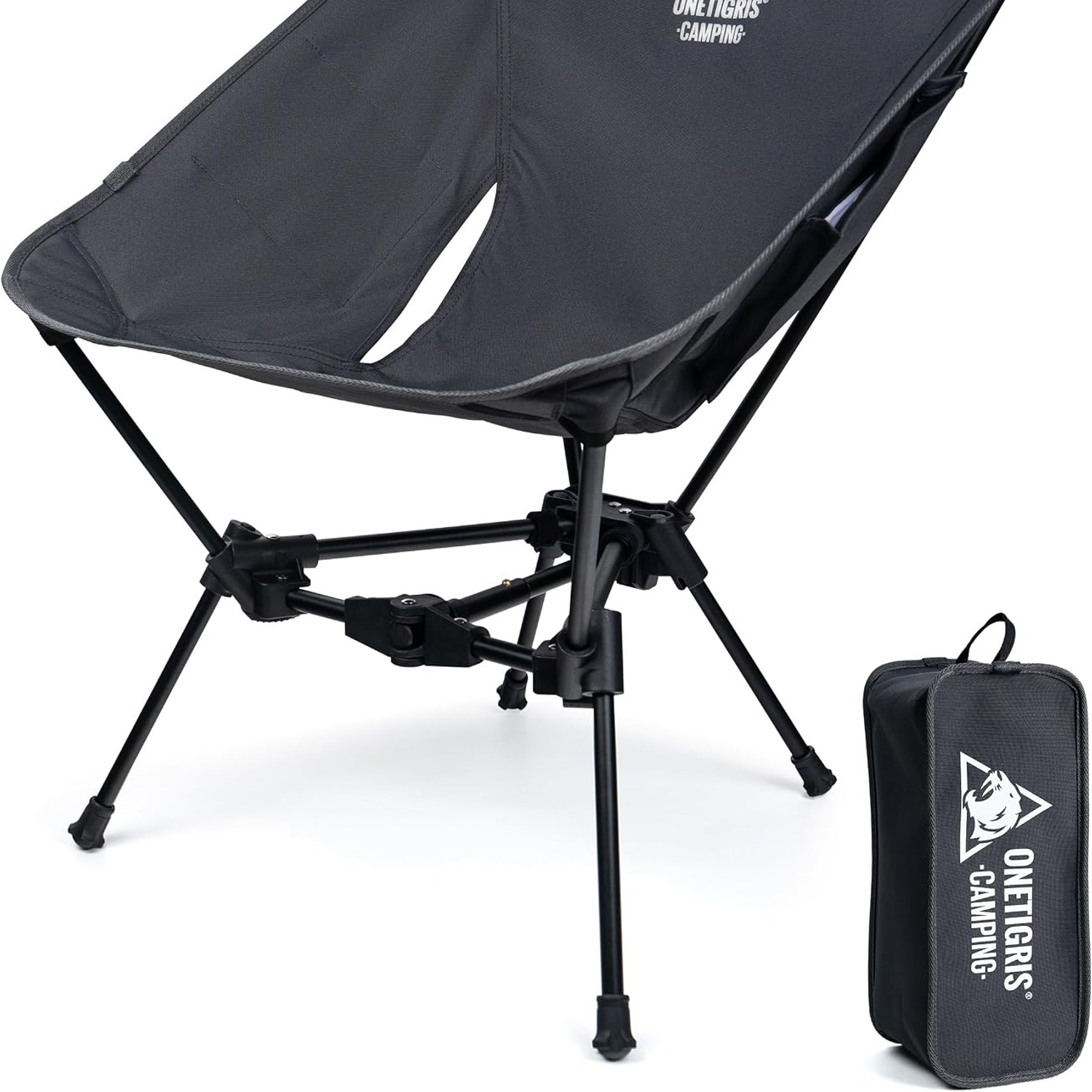
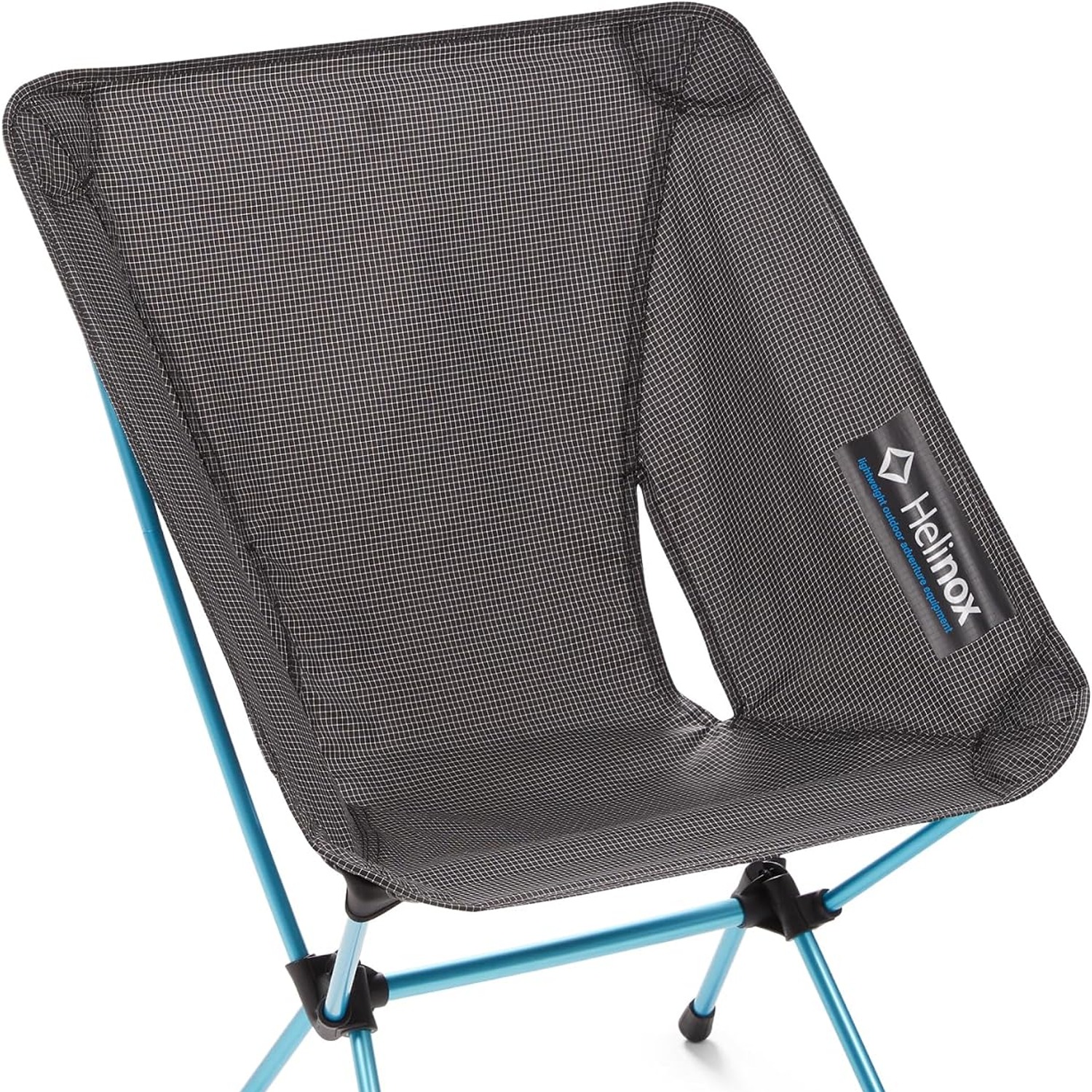
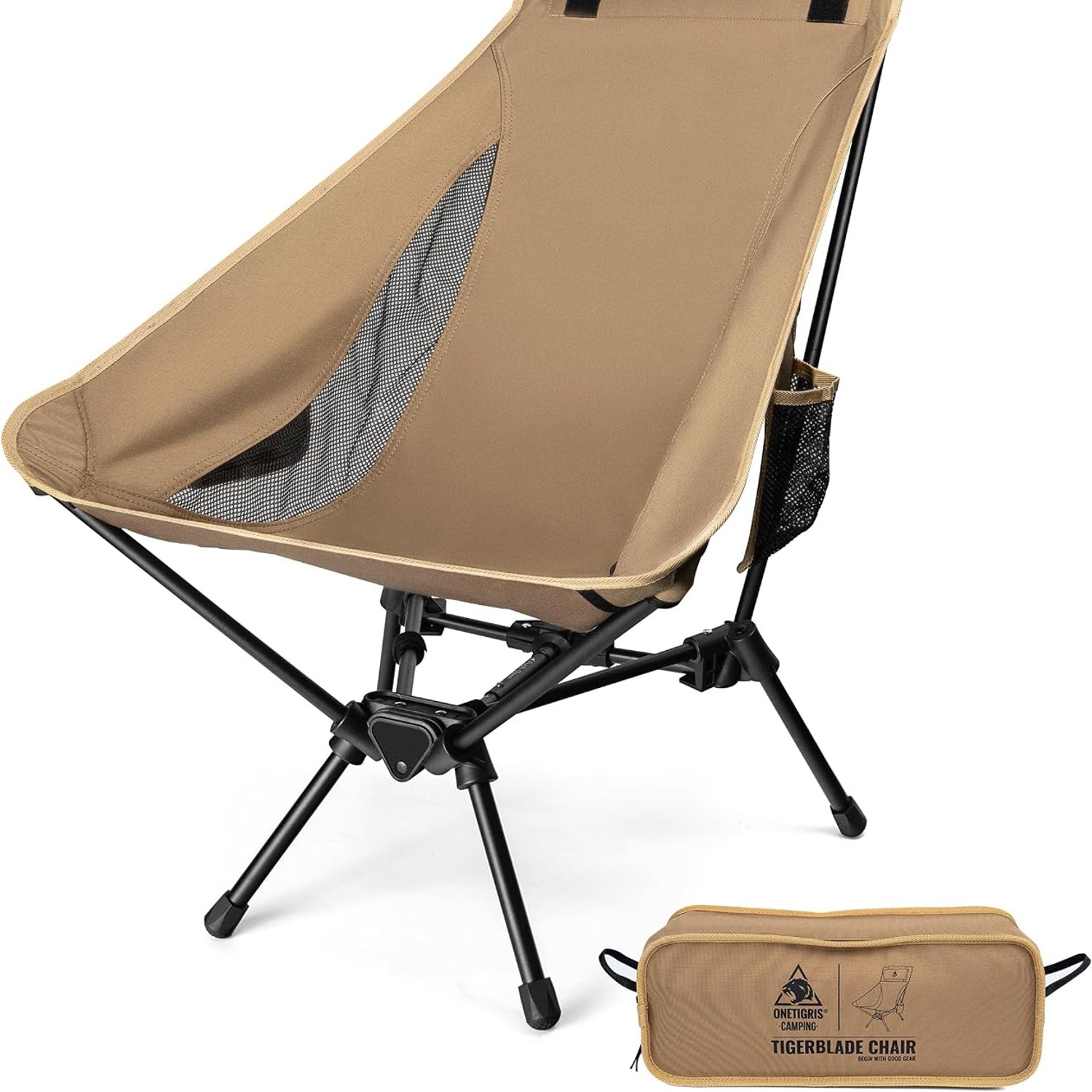
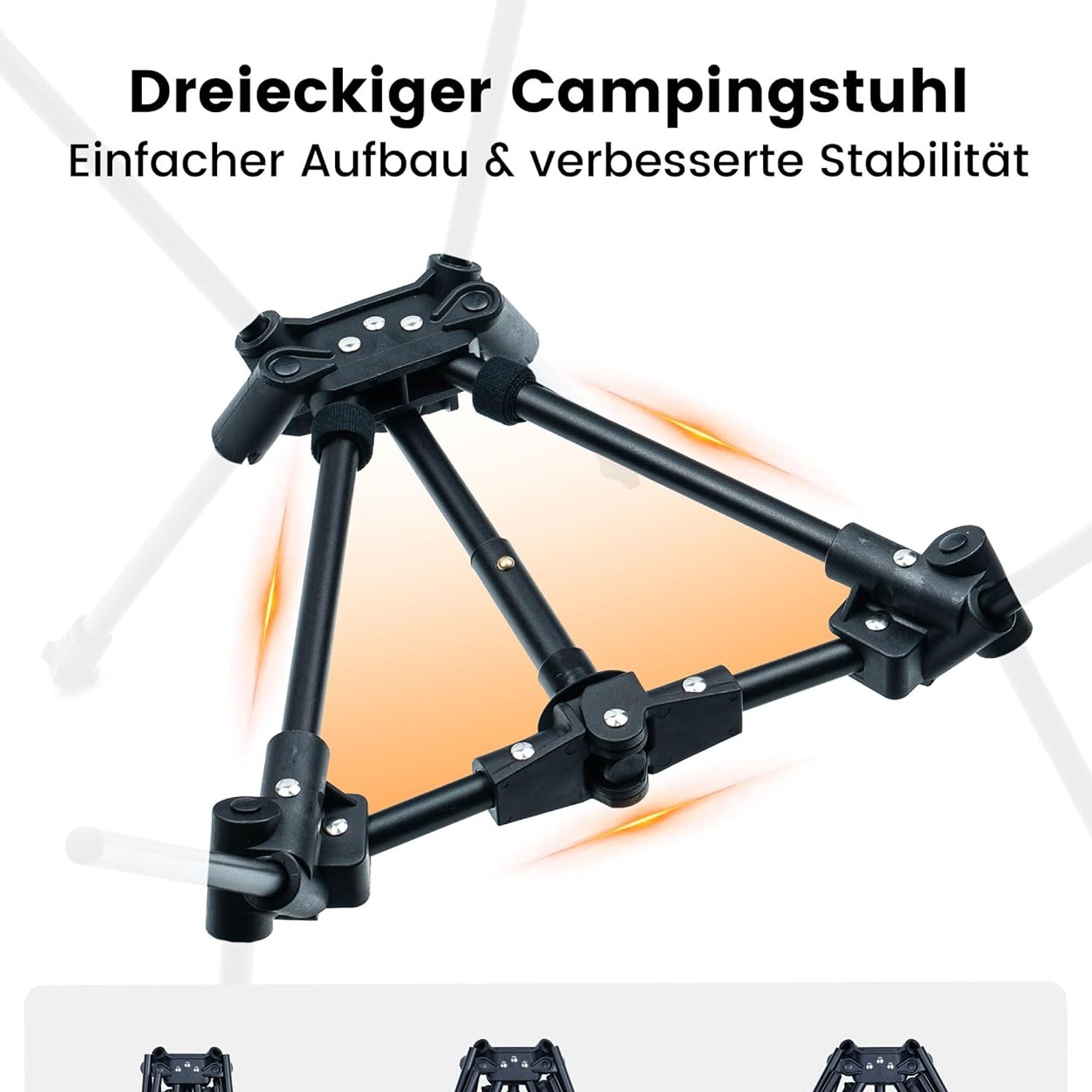
The basic idea is simple. Instead of a rigid frame with a fixed seat, a packable chair separates into two parts: a set of poles that clip or slot together into a frame, and a fabric seat that stretches over the finished frame. Take them apart and both halves fold flat enough to go in a bag.
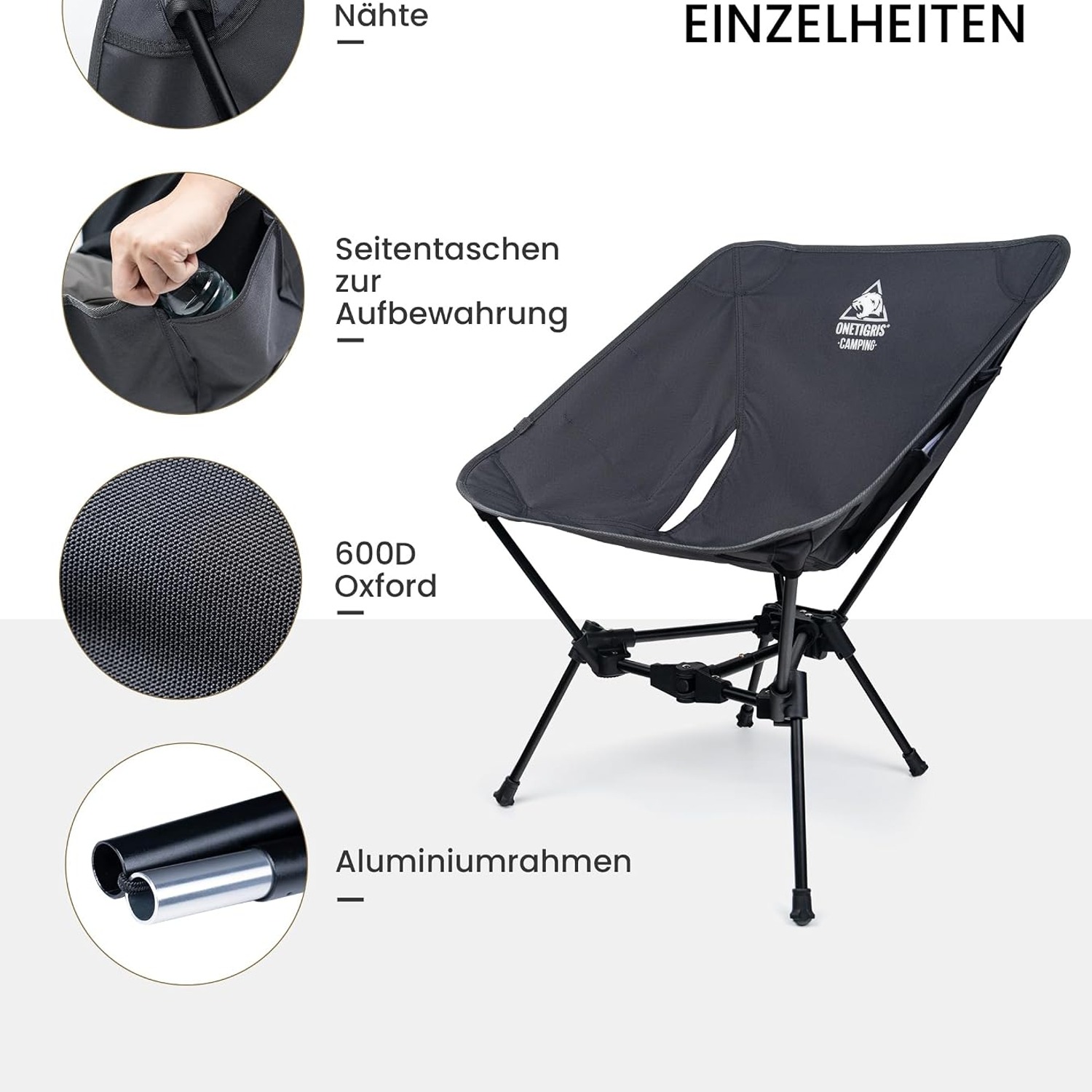
This chair uses an aluminium frame. Aluminium is the standard choice for lightweight outdoor gear because it gives you decent strength without much mass. The seat, back and fill are polyester, which handles sun and the odd shower better than cotton and dries off reasonably fast.
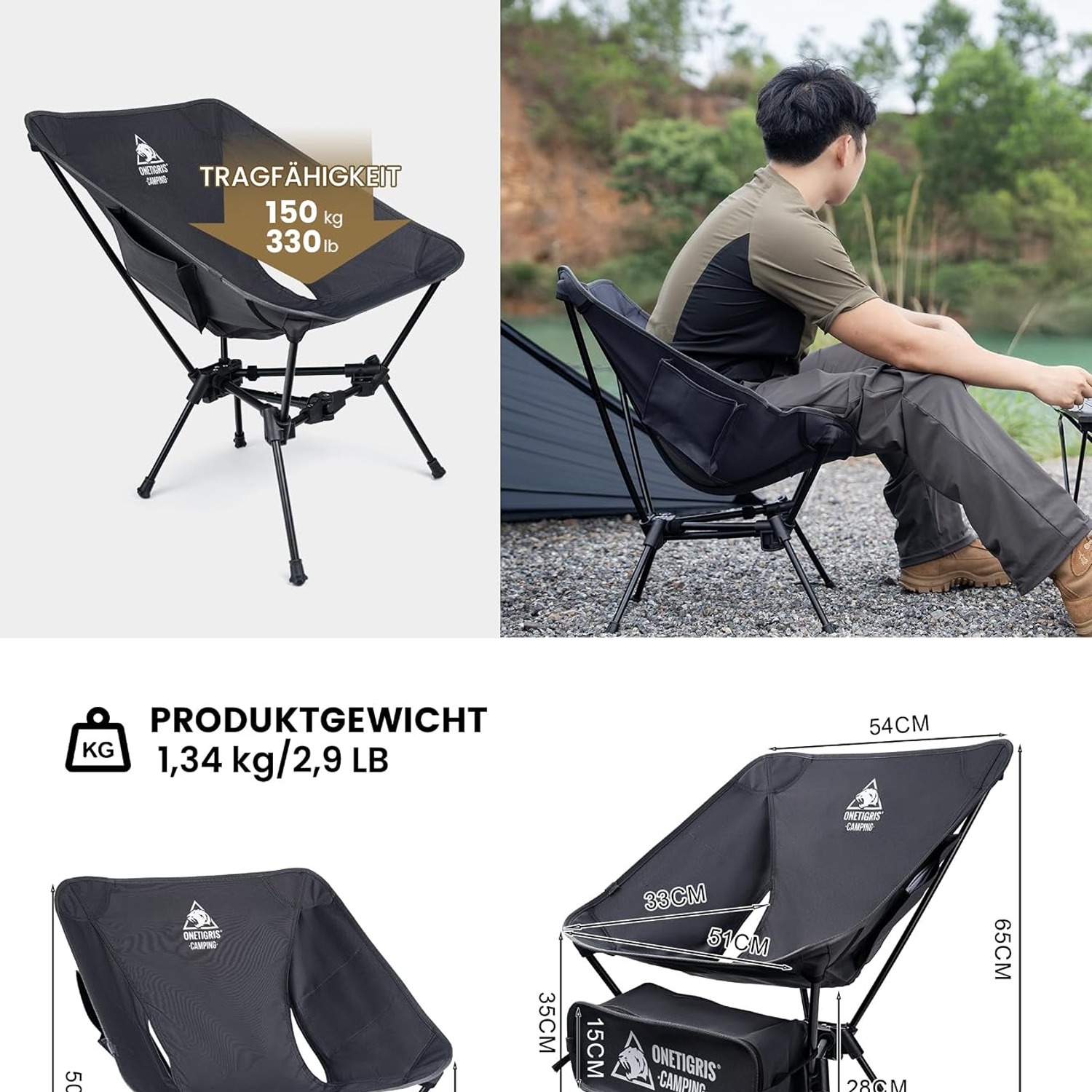
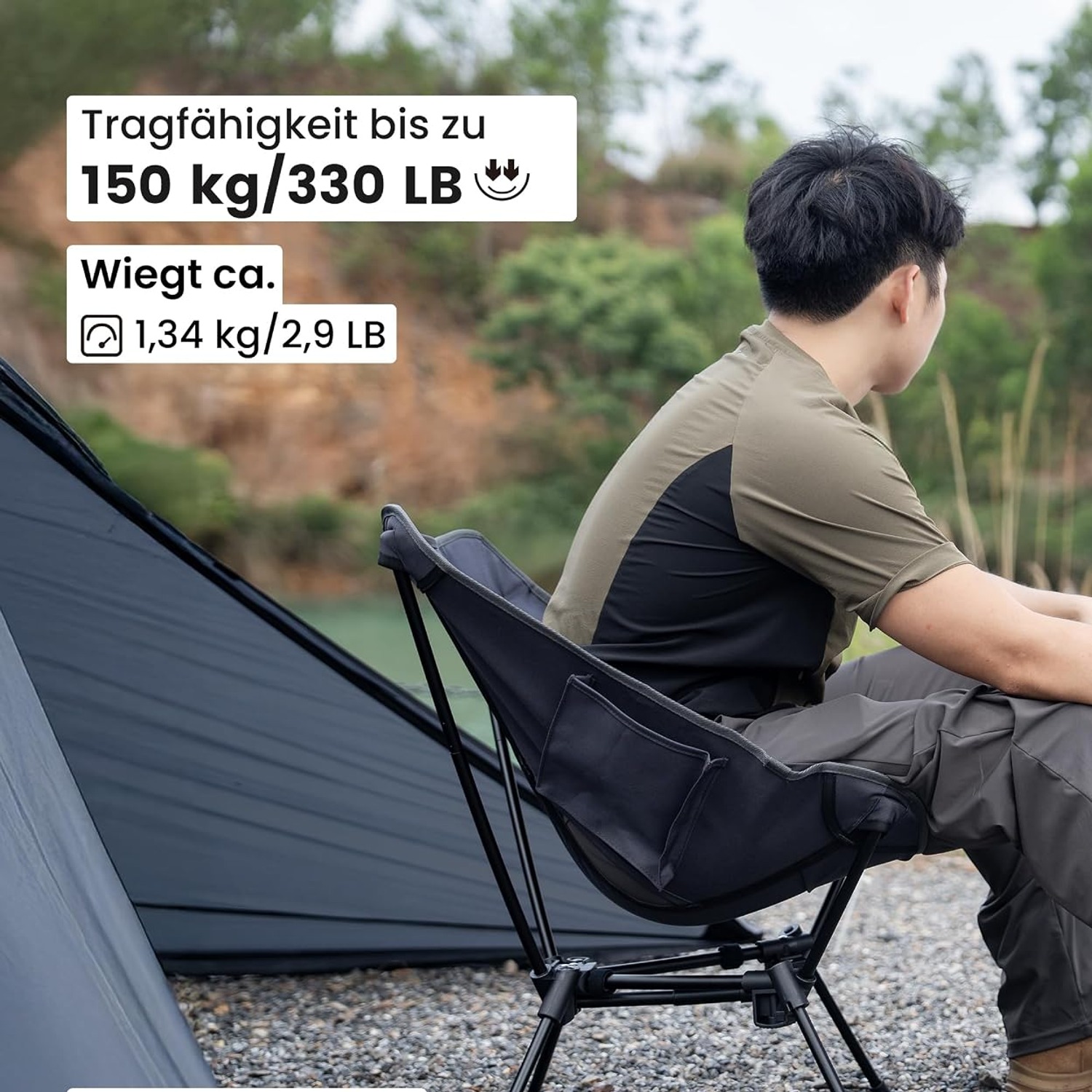
The listed item weight is 1.4 kg and the maximum weight recommendation is 150 kg. Those two numbers together tell you most of what you need to know. It is light enough to carry easily and rated for normal adult use.
Assembly is required, which sounds like more of a job than it is. You fit the frame together, then pull the fabric over it. The first time takes a minute while you work out which bit goes where. After that it becomes muscle memory.
Who this chair suits
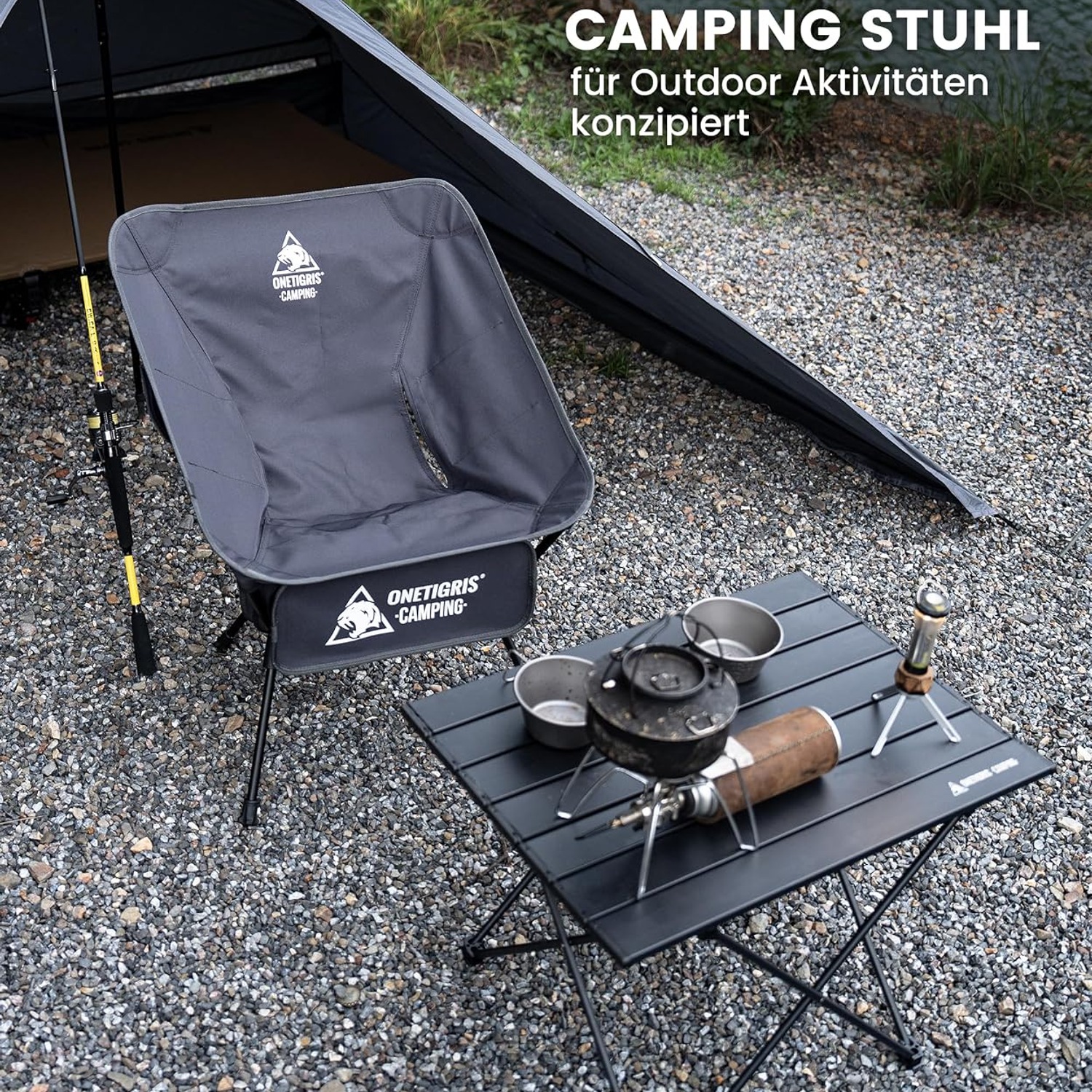
If you camp from a car, this is an easy yes. It takes up almost no room in a packed boot, and you can carry two of them in one hand.
If you fish, the armless design is genuinely useful. Nothing gets in the way when you turn to reach for a rod or a box of tackle, and the two side pockets keep a phone and a set of pliers off the wet ground. People hunting for the best fishing chair often end up with something like this for exactly that reason.
If you go to festivals, sports days or outdoor concerts, light and small wins every time. You walk further than you expect at those things, usually carrying other stuff. A chair that weighs 1.4 kg and goes in a bag over your shoulder is manageable. A bulky one is not.
If you backpack, you will need to be honest about your weight budget. A 1.4 kg chair is light for a chair but not light in absolute terms. Some people happily carry it for the comfort at the end of a long day. Others would rather sit on a sleeping mat. Both answers are reasonable.
And if you just want a spare seat at home, it works for that too. Fold it away in a cupboard and pull it out when more people turn up than you have chairs for.
What to look at when you are choosing
Weight. This is the single biggest factor in whether you keep using the chair. Anything over about two and a half kilos starts feeling like a commitment. At 1.4 kg this one sits firmly on the carryable side.
Load rating. Check the maximum weight recommendation against who will actually sit in it. This chair is rated to 150 kg, which suits most adults. Remember that the rating assumes you sit, not that you flop down hard or rock back on two legs.
Arms or no arms. Armless chairs are lighter, pack smaller and make it easier to get in and out. Chairs with arms feel more like furniture and give you somewhere to rest a drink. This one is armless, which fits its compact, carry-it-anywhere purpose.
Recline. The reclining position count here is one, meaning a single fixed sitting angle. If you want to lie back and watch the stars, you want a lounger, not this. If you want a comfortable seat for eating, chatting and warming your hands at the fire, a fixed angle is fine and saves weight.
Pockets. Small thing, large difference. Two side pockets mean your phone is not in the dirt and your torch is not lost in the grass.
Leg design. The legs here are flattened rather than narrow round tubes, which helps a bit on soft ground. No camp chair is immune to sinking in dry sand, but a wider contact patch is better than a pointed one.
Does a bag come with it. This one includes a storage bag. That sounds minor until you have lost a pole because the parts were loose in a camping tub.
Setting it up without fuss
Lay the parts out on the ground rather than trying to assemble it in mid air. Join the frame sections first and make sure every joint is fully seated, with no gap showing at the connections. A pole that is almost in is the most common cause of a wobbly chair.
Then fit the fabric seat over the frame corners. It should feel tight. Tight is correct, since the tension is what holds the shape and carries your weight. If it slides on with no resistance, something is not assembled properly.
Before you sit, check the ground. Pick the flattest spot you can and press the feet down so they settle. Then lower yourself in gradually rather than dropping. That habit alone will add seasons to the life of any camp chair.
Looking after it
Most camp chairs die of neglect rather than hard use. Grit in the joints, damp fabric packed away wet, and long spells in direct sun are the usual causes.
Wipe the fabric down with a damp cloth and a little mild soap when it needs it, then let it air dry all the way through before it goes in the bag. Do not put the seat in a washing machine or a dryer, and skip the bleach.
Brush sand and dirt off the frame joints. If you have been near the sea, rinse the frame with fresh water and dry it. Salt sitting in a joint is not your friend.
Store it in its bag somewhere dry and out of the sun. A chair kept this way looks and works the same in its fifth season as its first.
A few honest limits
Some details are not stated in the product record. The packed-down dimensions, the country of origin and the seat height are not specified here, and we would rather say so than guess. The set-up dimensions, weight, load rating and materials are all listed above and come straight from the product details.
It is also worth repeating that this is an armless chair with one sitting position. That is a deliberate trade to keep it light and small. If you want arms, a cup holder and three recline settings, you are looking at a different and heavier category of chair.
The short version
This is a 1.4 kg folding camping chair with an aluminium frame, a polyester seat and back, two side pockets and a 150 kg maximum weight recommendation. It is armless, has one sitting position, measures 33 x 51 x 65 cm set up, needs a quick assembly, and comes with a storage bag.
It suits car campers, anglers, festival-goers and anyone who wants a seat in the garden that folds away. It is light enough that you will keep bringing it, which is the whole point. Sit on a chair, not the ground, and the evening gets a lot better.